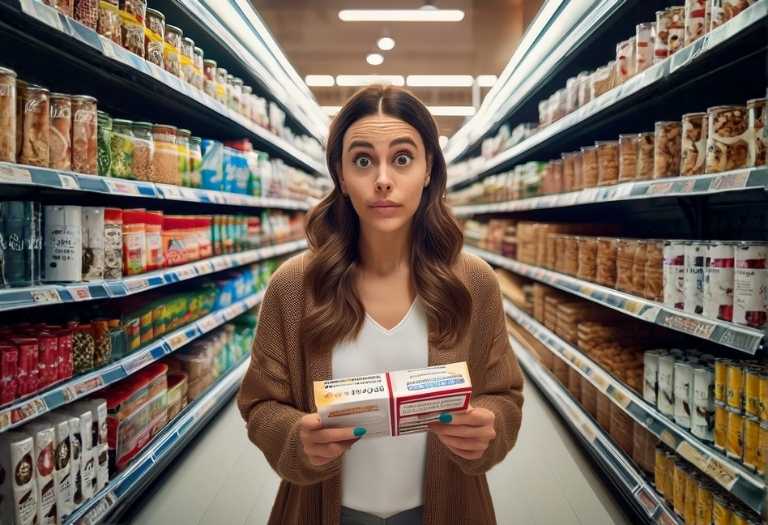
Can We Really Trust Food and Beverage Labels?
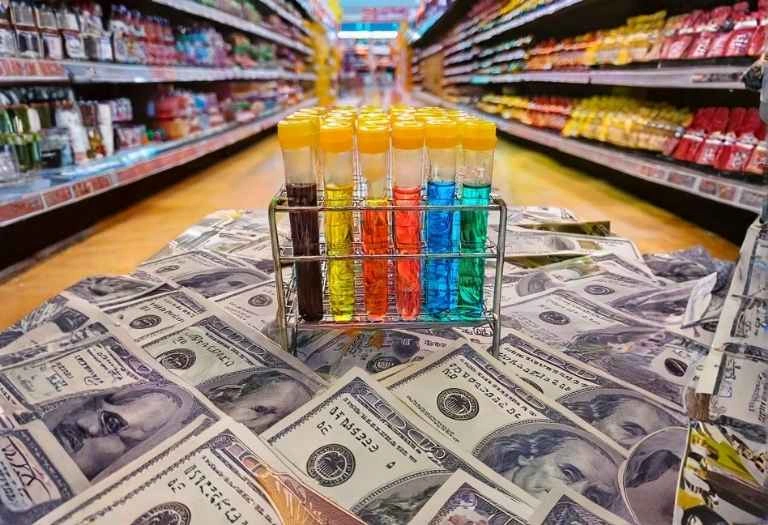
Food labeling in many countries, particularly the United States, operates under regulations that are either too vague to enforce or simply too outdated to reflect how modern food is actually produced. Consumers are left to navigate a landscape carefully engineered to trigger purchasing decisions rather than to inform them.
This post breaks down how food and beverage labels mislead consumers, what ingredients and claims deserve closer attention, and what you can do to make more informed choices.
The Gap Between What Labels Say and What They Mean
Food and beverage fraud is not a fringe issue. It is defined as the deliberate act of misrepresenting, mislabeling, substituting, adulterating, or tampering with any food product at any stage of the supply chain. Regulatory bodies like the FDA and USDA are responsible for overseeing these standards, but enforcement has historically been inconsistent and underfunded.
Research consistently shows that transparent labeling is the single most requested feature among consumers for packaged food. Yet grocery shelves remain filled with products using trigger words engineered to appeal to health-conscious shoppers without actually delivering on those promises.
Terms like “sugar-free,” “low-carb,” “gluten-free,” “multigrain,” and “natural” are not always defined consistently or strictly. The result is that a product can legally carry one of these labels while still containing ingredients that contradict the implied benefit.
How Greenwashing Exploits the Health Food Movement
Over 325 class action lawsuits have been filed by consumer advocacy groups challenging deceptive food and beverage labeling practices. What these cases commonly target is a corporate marketing strategy known as greenwashing, where companies use language, imagery, and packaging design to suggest environmentally or health-conscious practices that do not actually exist at the production level.
Labels featuring red barns, rolling green hills, and pastoral imagery convey a sense of small-scale, responsible farming. In reality, many of these products come from the same industrial operations that have faced scrutiny for environmental damage, inhumane animal treatment, and excessive chemical use.
Most of these lawsuits are settled quietly with modest monetary payouts and little to no change in labeling. The economic incentive to continue misleading consumers outweighs the cost of occasional legal settlements for companies generating billions in annual revenue.
Egg Labels Are a Case Study in Deliberate Confusion
Eggs alone carry more than 15 different classifications. Terms like pasture-raised, cage-free, free-range, organic, enriched colony, Omega-3 enriched, and vegetarian-fed are used interchangeably in marketing, but they do not mean the same thing.
A few important distinctions worth knowing:
- Cage-free does not mean the chickens have access to the outdoors. It only means they are not housed in individual cages.
- Free-range requires some outdoor access, but the space and duration are not tightly regulated.
- Pasture-raised is generally considered the highest welfare standard, but it is not the same as organic.
- Organic addresses what the chickens are fed and whether antibiotics are used, but it does not automatically guarantee humane living conditions.
Buying the most expensive carton in the refrigerator section does not guarantee you are getting what the label implies. The American Humane Association and Certified Humane are third-party certification programs that apply more consistent standards if verified sourcing matters to you.
Farmed Salmon and Antibiotic-Fed Chickens
Labeling regulations for farmed salmon are particularly weak. Producers are not required to disclose whether their salmon is wild-caught or farmed. This matters because the conditions in which farmed salmon are raised are dramatically different from those in open water.
Farmed salmon are typically kept in densely stocked enclosures where disease spreads quickly. Antibiotics and chemical treatments are routinely used, and the environmental impact on surrounding ecosystems is significant. For consumers trying to make an informed choice between wild-caught and farmed fish, current labeling requirements offer very little help.
Mass-produced poultry presents similar concerns. Grade A chickens, the classification most commonly found in supermarkets, are processed in large facilities where antibiotic-resistant pathogens have been detected. Post-slaughter chemical disinfectant baths are standard practice and are not required to be disclosed on product labels.
The Environmental Working Group publishes research on pesticide residues and food safety that is worth consulting if you want a fuller picture of what enters the food supply.
“Made With Real Fruit” Does Not Mean What You Think
The FDA does not require any minimum fruit content for a product labeled “made with real fruit.” That means a product carrying this label could contain trace amounts of fruit concentrate or fruit flavoring and still qualify. It is a marketing statement, not a nutritional guarantee.
Similarly, “fruit-flavored” products often contain no actual fruit. The flavor comes from synthetic compounds designed to replicate the taste. Consumers purchasing these products for health reasons are often made with language that lacks regulatory teeth.
The 56 Faces of Sugar
Decades of research linking excessive sugar consumption to obesity, type 2 diabetes, cardiovascular disease, and other chronic conditions prompted a major shift in food marketing. Rather than reducing sugar, many manufacturers responded by renaming it.
Sugar now appears under more than 56 different names on ingredient lists, including dextrose, maltose, high-fructose corn syrup, barley malt, evaporated cane juice, and agave nectar. Meanwhile, beverages marketed as healthier alternatives to soda often contain different synthetic ingredients.
Common additives in popular beverages include:
- Phosphoric acid — used to add tartness, linked to lower bone density with excessive intake.
- Aspartame — an artificial sweetener roughly 200 times sweeter than sugar, found in Diet Coke, chewing gum, breakfast cereals, and ice cream.
- Sucralose (chemical formula C12H19Cl3O8) — a chlorinated sugar derivative.
- Acesulfame potassium (Ace-K) — often used alongside aspartame to enhance sweetness.
- Potassium benzoate — a preservative that can form benzene, a known carcinogen, when combined with ascorbic acid under certain conditions.
What Science Says About Aspartame and Ace-K
Aspartame is manufactured from a combination of modified phenylalanine and aspartic acid. It has been classified by the International Agency for Research on Cancer (IARC) as a possible carcinogen to humans, placing it in Group 2B alongside hundreds of other substances that carry uncertain but non-zero risk.
The World Health Organization and the Joint FAO/WHO Expert Committee on Food Additives (JECFA) have both weighed in. While JECFA has maintained its acceptable daily intake levels, the fact that the WHO flagged aspartame for concern while simultaneously keeping safe intake limits unchanged reflects the unresolved scientific debate around these compounds.
Acesulfame potassium has also appeared in studies examining carcinogenicity and its potential effects on blood sugar regulation, though the evidence remains mixed. Over 6,000 consumer products currently contain aspartame.
If you consume these sweeteners, doing so in moderation and not combining large amounts across multiple products in a single day is a reasonable precaution given the current state of research.
Legislative Efforts to Reform Food Labeling
A bill introduced in the U.S. Congress would require the development of a standardized symbol system that communicates key nutritional information at a glance, without requiring consumers to decode ingredient lists. It would also direct federal agencies to establish legal definitions for terms like “healthy,” “natural,” “whole grain,” “sustainable,” and “humane.”
The bill has backing from nutritionists, holistic health practitioners, and consumer advocacy organizations. However, the food and beverage industry spends hundreds of millions annually on lobbying, and meaningful label reform has consistently stalled in the face of that pressure.
Progress in this area will require sustained consumer awareness and public advocacy. Organizations like the Center for Science in the Public Interest actively track food labeling issues and legislative developments, if you want to stay informed.
Practical Steps You Can Take Right Now
You do not need to wait for regulatory reform to make better choices. Here is what actually helps:
Read the ingredient list, not just the front of the package. The front label is marketing. The ingredient list is where the actual product is disclosed.
Choose whole foods where possible. Unprocessed or minimally processed foods — vegetables, fruit, legumes, whole grains, meat from traceable sources — require fewer label claims because they are not hiding anything.
Look for third-party certifications. Programs like USDA Organic, Certified Humane, Non-GMO Project Verified, and Marine Stewardship Council add a layer of accountability that self-applied labels do not.
Be skeptical of health halos. “Gluten-free” cookies are still cookies. “Natural” flavoring is a legally vague term. “Made with whole grains” can describe a product that still uses refined flour as its primary ingredient.
Limit synthetic sweetener exposure. If you are drinking diet sodas or consuming multiple products with artificial sweeteners daily, it is worth reviewing your total intake across all sources.
Consult reliable resources. The EWG’s Dirty Dozen and Clean Fifteen lists are updated annually and help prioritize which products are worth buying organic.
Frequently Asked Questions
What does “natural” mean on a food label?
In the United States, the FDA has not established a formal definition for “natural.” The agency has generally allowed the term to be used if the product does not contain added color, artificial flavors, or synthetic substances, but this is not a strict or consistently enforced standard. It is not equivalent to organic or minimally processed.
Is cage-free the same as free-range?
No. Cage-free means hens are not kept in battery cages but may still be housed indoors in large flocks without outdoor access. Free-range requires some outdoor access, though the quality, size, and duration of that access are not tightly regulated by federal standards.
Is aspartame safe to consume?
The FDA and JECFA both maintain that aspartame is safe at current approved intake levels. However, the IARC classified it as a possible carcinogen in 2023, placing it in the same category as substances where risk cannot be ruled out. Most health authorities recommend consuming it in moderation rather than in large daily quantities.
What is greenwashing in the food industry?
Greenwashing refers to the use of marketing language, imagery, and packaging to imply environmental responsibility or health consciousness that is not substantiated by actual farming, production, or sourcing practices. It is the subject of ongoing consumer litigation in the United States and Europe.
How can I tell if a label claim is regulated?
Claims such as USDA Organic, Non-GMO Project Verified, and Certified Humane are backed by third-party audits. Claims like “natural,” “made with real fruit,” or “sustainable” are largely self-applied and carry no standardized verification requirement.
Why are there so many names for sugar on ingredient lists?
Food manufacturers list ingredients by weight in descending order. Using multiple forms of sugar allows companies to spread them across the list, preventing any single type from appearing near the top. This obscures the total amount of added sugar a product contains.
Conclusion
Food labeling, in its current form, serves manufacturer’s interests far more consistently than it serves consumers. The language is engineered to sell, not to inform. Regulatory definitions are too weak to provide meaningful protection, and enforcement has not kept pace with the sophistication of modern food marketing.
That does not mean consumers are powerless. Reading ingredient lists carefully, prioritizing whole and minimally processed foods, seeking out verified certifications, and staying informed about ongoing legislative developments are all concrete ways to make choices that more closely reflect your actual values and health goals.
The more consumers understand how these labels work, the harder it becomes for misleading claims to drive purchasing decisions at scale.