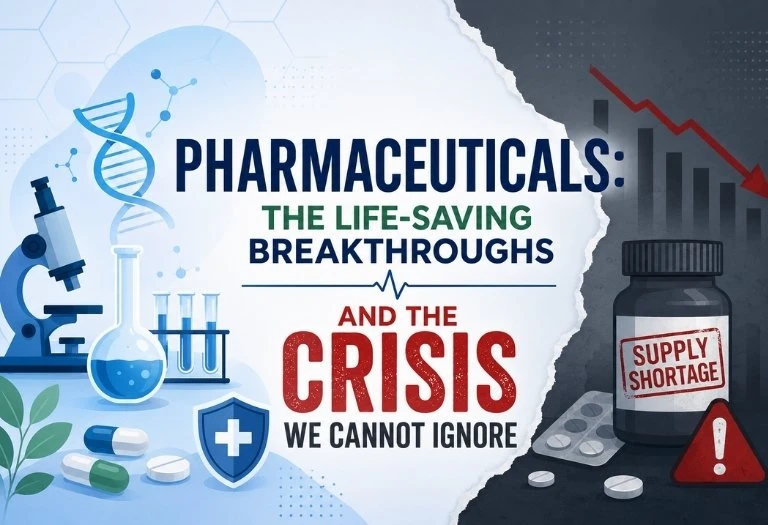
Modern medicine has produced some of the most remarkable achievements in human history. It has also produced one of the most deeply entrenched public health crises of our time.
Both things are true. Understanding how they coexist is not just useful; it is necessary for anyone who wants to make informed decisions about their own health.
Where Pharmaceuticals Have Genuinely Saved Lives
The case for modern pharmaceuticals begins with undeniable facts.
Before penicillin became widely available, bacterial infections that today require a simple prescription once killed millions of people every year. Wounds, dental infections, pneumonia, and childbirth complications routinely proved fatal. The development of antibiotics fundamentally changed what it means to be sick, and their global impact on human survival is difficult to overstate.
Insulin has enabled people with advanced diabetes to live full, productive lives by compensating for the body’s inability to regulate blood sugar. Vaccines have driven smallpox to extinction and reduced polio to the margins of a few remaining regions. Morphine and modern anesthetics made surgery survivable and, eventually, routine. Aspirin, despite being so common that it barely registers as a drug, continues to serve as an anti-inflammatory, fever reducer, and cardiovascular aid used by millions daily.
Beyond these, psychiatric medications have allowed people with debilitating mental illness to function. HIV antiretrovirals transformed a death sentence into a manageable chronic condition. Parkinson’s medications, thyroid hormone replacement, blood pressure drugs, and heart medications have collectively extended and improved the quality of life for hundreds of millions of people worldwide.
These contributions are real. They deserve acknowledgment. And they make the rest of this conversation harder to dismiss.
The Problem Pharmaceuticals Have Not Solved
Here is what is equally true: most of these drugs do not cure anything.
They manage. They compensate. They suppress symptoms with varying degrees of success and carry side effects that range from mild inconvenience to serious harm. In many cases, the drugs prescribed for one condition create the conditions for another.
More troubling is a pattern that has developed over decades in clinical practice. Rather than addressing the root causes of chronic illness through diet, behavior change, or detoxification support, prescribing a medication to cover the symptom has become the default response. Patients leave appointments with prescriptions instead of guidance. The pill becomes the plan.
This is not a criticism of individual physicians, most of whom are working within a system they did not design. It is an observation about what that system has come to prioritize.
The Opioid Crisis: A Public Health Emergency in Numbers
No discussion of pharmaceutical harm is complete without confronting the opioid crisis directly.
According to the Centers for Disease Control and Prevention, opioid overdose deaths in 2022 were roughly ten times higher than they were in 1999, with more than 250,000 deaths recorded since 2018 alone. That averages to over 200 overdose deaths every single day in the United States.
The United States represents approximately 4.4 percent of the global population but accounts for an estimated 80 percent of global opioid consumption. The economic toll on society has been estimated at over $55 billion annually, including healthcare costs, lost productivity, and criminal justice involvement.
This did not happen by accident. Opioids were aggressively marketed, minimally regulated for a critical period, and prescribed at volumes that flooded communities with highly addictive substances. The consequences are still unfolding.
Adverse Drug Events: An Underreported Epidemic
Opioids represent the most visible crisis, but they are not the only one.
Prescription drugs are responsible for hospitalizing an estimated 2.7 million people in the United States each year, and approximately 106,000 of those hospitalizations result in death, according to data cited by legal and medical researchers tracking adverse drug events. Nursing homes alone record around 350,000 adverse drug events annually.
What makes these figures even more concerning is the significant underreporting involved. Estimates suggest that somewhere between one and ten percent of adverse drug events are ever formally reported. The true scale of pharmaceutical harm is, by most accounts, substantially larger than official figures capture.
The Economic Model Behind Big Pharma
To understand why these problems persist, it helps to understand the economics driving pharmaceutical development and promotion.
The global pharmaceutical market was valued at approximately 1.3 trillion dollars in 2023, with the United States accounting for roughly 52 percent of that figure. At that scale, the financial incentives shaping research, regulation, and clinical practice are enormous.
Pharmaceutical companies fund significant portions of the research used to evaluate their own products. As Sergio Sismondo of Queen’s University has documented in Frontiers in Research Metrics and Analysis, industry-sponsored clinical trials are frequently designed, organized, analyzed, and written up by the companies themselves or their contracted partners, a structural arrangement that creates obvious incentives for favorable outcomes.
A House Oversight Committee report found that a substantial portion of pharmaceutical R&D spending goes not toward developing genuinely new treatments, but toward tactics designed to extend patent exclusivity and delay generic competition, keeping prices high and alternatives off the market.
The result is a system in which medical literature can be shaped by financial interest, physician prescribing behavior is influenced by industry promotion, and the drugs reaching patients have sometimes passed through an approval process that was shorter and less rigorous than the public assumes.
None of this makes every pharmaceutical company corrupt or every drug suspect. It does mean that patients and practitioners alike benefit from understanding the pressures operating beneath the surface of clinical recommendations.
What You Can Do: Taking Your Health Back into Your Own Hands
The pharmaceutical industry’s problems do not eliminate the value of the medications that genuinely help people. What they do is reinforce an important point: wherever possible, addressing root causes matters more than managing symptoms indefinitely.
For people experiencing chronic fatigue, brain fog, inflammation, or the cumulative effects of long-term medication use, there are well-documented, evidence-supported approaches to supporting the body’s natural detoxification systems. Fasting, dietary change, herbal support, and lifestyle practices that reduce the ongoing toxic burden on the liver and other organs are not alternatives to medicine in the emergency room sense. They are foundational practices that reduce the need for emergency room visits.
Pharmaceutical residues from widespread drug use have been detected in municipal water supplies in multiple countries, often bypassing standard treatment processes and returning to drinking water at low but measurable concentrations. This is not a fringe concern. Research published through the Environmental Working Group and peer-reviewed environmental science journals has documented the issue extensively.
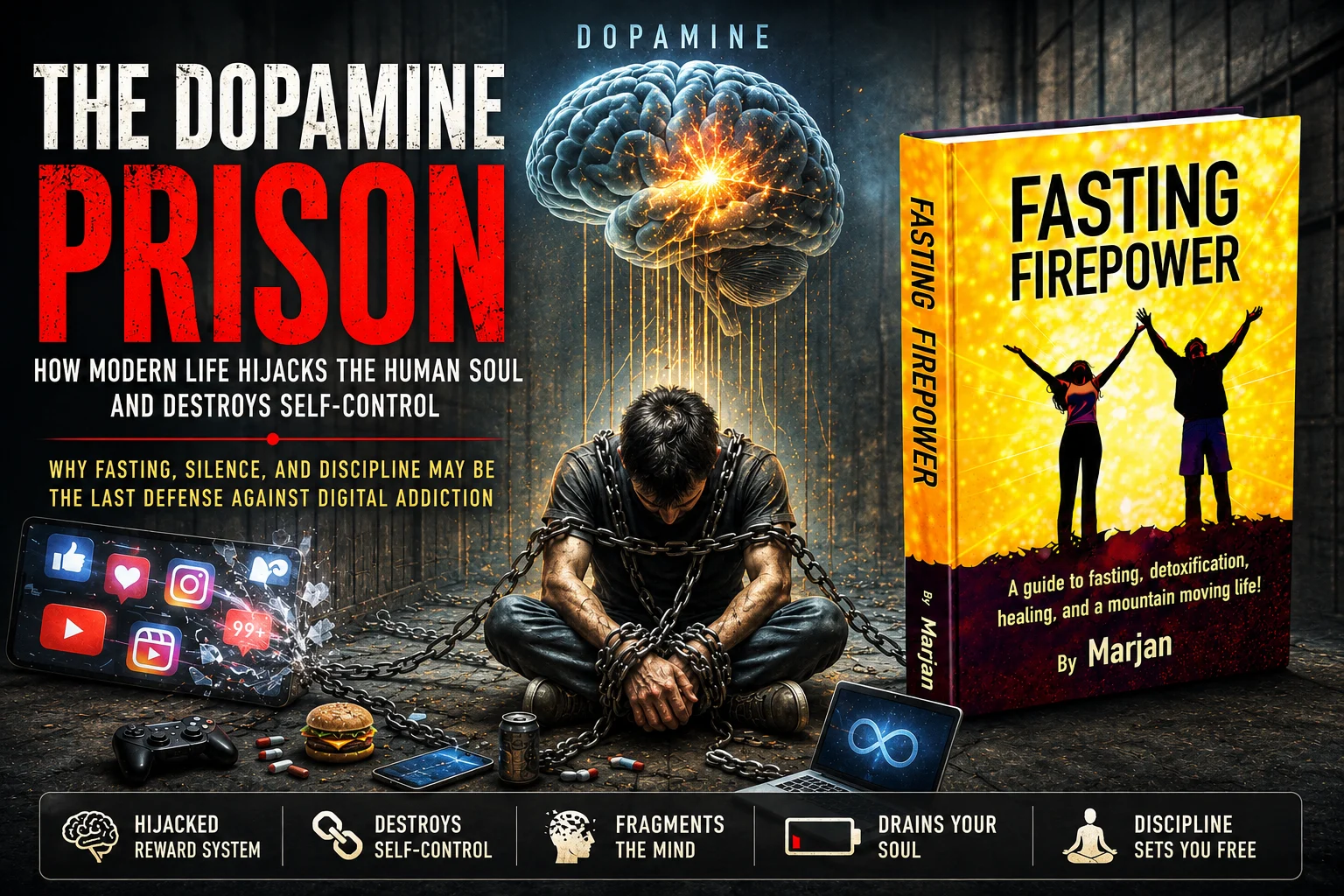
For those who want a serious, experience-backed, and research-grounded resource on detoxification and natural healing, Fasting Firepower by Marjan offers one of the most thorough treatments available. Drawing on over fifty years of personal experience alongside historical, spiritual, and clinical sources, it provides practical guidance for anyone looking to support the body’s own capacity to repair and renew.
Frequently Asked Questions
Are all pharmaceutical drugs harmful?
No. Many drugs are genuinely life-saving and essential. Antibiotics, insulin, vaccines, and numerous other medications have prevented immeasurable suffering and death. The concern is not with medicine itself but with over prescription, inadequate safety oversight, and the commercial pressures that can compromise both research and clinical practice.
What is the scale of the opioid crisis in the United States?
According to the CDC, opioid overdose deaths have risen dramatically since 1999, with over 250,000 deaths recorded since 2018. The U.S. consumes an estimated 80 percent of the world’s opioid supply despite representing less than five percent of the global population.
How are pharmaceutical companies allowed to fund their own research?
Industry-sponsored research is a standard and legally permitted practice. The problem is not legality but disclosure and structural bias. When the same company designs, funds, and analyzes a trial for its own product, the incentive to produce favorable outcomes is significant. Regulatory agencies like the FDA require submission of trial data, but critics argue the current system does not adequately prevent selective reporting.
Are pharmaceutical residues really in drinking water?
Yes. Studies have detected trace concentrations of pharmaceutical compounds in water supplies in the U.S., Europe, and elsewhere. While regulators generally characterize current levels as below acute harm thresholds, long-term cumulative exposure and effects on aquatic ecosystems remain active areas of research and concern.
What natural approaches support detoxification?
Fasting in its various forms, liver-supportive herbs, dietary changes that reduce inflammatory load, and practices that support lymphatic and kidney function are among the most studied and historically practiced approaches. Fasting Firepower by Marjan covers these in depth with clear safety guidance for those new to the subject.
The Pharmaceutical Industry: Balancing Medical Innovation and Public Health Risks
The pharmaceutical industry has transformed modern medicine, extending life expectancy and improving the quality of life for millions of people worldwide. Through groundbreaking treatments, vaccines, and therapies, pharmaceutical companies have helped control infectious diseases, manage chronic conditions, and reduce suffering on a scale unmatched in human history.
Yet the relationship between the pharmaceutical industry and public health is increasingly complex. Alongside life-saving innovations, concerns have emerged regarding the dangers of prescription drug overuse, rising healthcare costs, medication side effects, and the growing number of adverse drug events reported each year. High-profile cases involving the opioid crisis and ongoing debates about industry influence have fueled discussions about transparency, accountability, and patient protection.
Understanding both the benefits and challenges of modern pharmaceuticals is essential for anyone seeking to make informed healthcare decisions. While many prescription drugs provide critical medical benefits, questions surrounding drug safety, industry practices, and the risks of long-term medication use remain important considerations for patients and healthcare providers alike.
How the Pharmaceutical Industry Has Improved Public Health
The success of the pharmaceutical industry is evident in some of medicine’s greatest achievements.
Before antibiotics became widely available, bacterial infections routinely claimed millions of lives. Today, many infections that were once fatal can be treated effectively with prescription drugs. Likewise, vaccines have prevented countless deaths and helped eliminate or dramatically reduce several infectious diseases around the world.
Advances in cardiovascular medicine, diabetes treatment, mental health therapies, and cancer care have further demonstrated the positive impact of pharmaceutical research. Medications that regulate blood pressure, control blood sugar, manage psychiatric disorders, and slow disease progression have significantly improved outcomes for patients worldwide.
These accomplishments highlight the critical role that pharmaceutical companies play in advancing healthcare and improving public health outcomes.
The Dangers of Prescription Drug Overuse
Despite these advances, concerns about the dangers of prescription drug overuse continue to grow.
Many chronic conditions are managed with medications that alleviate symptoms rather than address underlying causes. While symptom management is often necessary, prolonged reliance on multiple medications may increase the likelihood of medication side effects, drug interactions, and other complications.
Patients taking several medications simultaneously face elevated risks of adverse drug events, particularly older adults and individuals with chronic illnesses. In some cases, medications prescribed to treat one condition may contribute to new health problems that require additional treatment.
These realities have intensified discussions about the risks of long-term medication use and the need for more comprehensive approaches to patient care.
The Opioid Crisis and Pharmaceutical Industry Controversies
No discussion of pharmaceutical industry controversies would be complete without examining the opioid crisis.
Over the past two decades, opioid-related overdoses have contributed to hundreds of thousands of deaths in the United States. Investigations into prescribing practices and marketing strategies have raised serious questions about the role certain pharmaceutical companies played in promoting opioid medications despite growing evidence of addiction risks.
The opioid crisis remains one of the most significant public health challenges in modern American history and serves as a powerful example of what can happen when commercial incentives, inadequate oversight, and prescription drug safety concerns intersect.
The consequences continue to affect families, healthcare systems, and communities across the country.
Adverse Drug Events and Drug Safety Concerns
Beyond opioids, drug safety remains a major concern throughout the healthcare system.
Millions of Americans experience adverse drug events each year, ranging from mild reactions to severe complications requiring hospitalization. These events may result from medication errors, drug interactions, allergic reactions, or unexpected medication side effects.
Improving drug safety requires ongoing monitoring, transparent reporting systems, and rigorous evaluation of medications after they enter the marketplace. Healthcare providers, regulators, and pharmaceutical companies all share responsibility for identifying and reducing risks to patients.
As healthcare becomes increasingly dependent on pharmaceutical therapies, addressing prescription drug safety concerns remains a critical public health priority.
Pharmaceutical Research and Industry Influence
The development of new medications depends heavily on pharmaceutical research, which requires substantial investment and years of testing.
While industry-funded research has contributed to many important medical breakthroughs, critics argue that financial incentives can sometimes influence study design, publication practices, and marketing strategies. These concerns are frequently cited among broader pharmaceutical industry controversies involving transparency and accountability.
Supporters of the current system point out that pharmaceutical companies assume significant financial risks when developing new therapies and that innovation depends on strong investment in research and development.
The challenge for policymakers and regulators is ensuring that pharmaceutical research remains both innovative and trustworthy while maintaining public confidence in medical science.
Rising Healthcare Costs and Access to Medications
Another major concern involves rising healthcare costs.
Prescription medications represent a significant expense for many individuals and families. Critics argue that certain pricing practices contribute to unnecessarily high healthcare costs, while industry representatives contend that prices reflect the substantial investment required for pharmaceutical research and drug development.
The debate over affordability continues to influence healthcare policy discussions worldwide as governments, insurers, patients, and pharmaceutical companies seek solutions that balance innovation with accessibility.
Final Thoughts
The pharmaceutical industry has delivered extraordinary medical advances while also generating legitimate concerns regarding drug safety, adverse drug events, healthcare costs, and the risks of long-term medication use.
Understanding the relationship between the pharmaceutical industry and public health requires acknowledging both realities. Medical innovation has improved countless lives, yet ongoing scrutiny remains necessary to address prescription drug safety concerns, prevent future public health crises, and ensure that patient well-being remains the primary focus of healthcare.
By staying informed about pharmaceutical industry controversies, the dangers of prescription drug overuse, and the importance of rigorous pharmaceutical research, patients can make more informed decisions about their healthcare and work more effectively with medical professionals to achieve the best possible outcomes.