Water Fasting Facts: What You Need to Know Before You Fast
Water is not just a beverage. It is the foundation of every biological process in the human body. Adults are composed of roughly 75% water, and infants carry even more, up to 90%. Water drives circulation, digestion, nutrient absorption, waste elimination, joint lubrication, and temperature regulation. Without it, the body shuts down within days.
Given how central water is to survival, it makes sense that water fasting, one of the oldest therapeutic practices in human history, has endured for thousands of years. But understanding how to do it safely requires knowing more than just “drink water and skip meals.” It requires understanding what is actually in your water, what happens inside your body during a fast, and why the quality of what you consume matters as much as the act of fasting itself.
The Chemical Reality of Modern Water
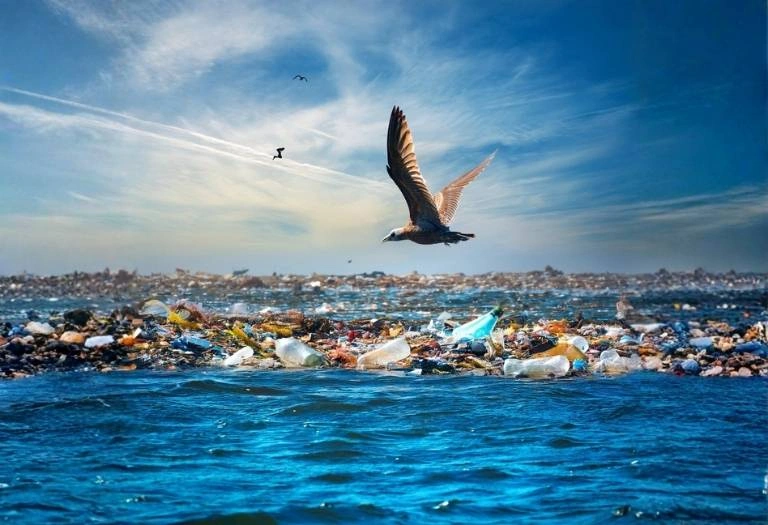
For most of human history, the only water contaminants people faced were biological: bacteria, sediment, and organic debris. That era is long gone.
According to The World Counts, humanity now coexists with an estimated 150,000 synthetic chemicals, with roughly 1,500 new ones introduced every year. These chemicals do not stay in labs or factories. They migrate into soil, air, and water systems. They end up in drinking water, food, and ultimately in our bodies.
Chlorine, a chemical not naturally found in human biology, is added to nearly all municipal water supplies as a disinfectant. Roughly 12 million tons are produced each year for industrial and water-treatment purposes. While chlorine is effective at killing harmful microbes, residual amounts can remain in tap water by the time it reaches consumers. Aluminum compounds are also commonly used in water treatment to remove impurities, and trace amounts may remain in the finished water supply.
Beyond treatment additives, CNN Health has reported that around 10,000 chemicals are permitted in processed food in the United States. Americans accumulate roughly 5 pounds of chemicals and plastic compounds in their bodies over an average lifetime.
This is not fear-mongering. It is the baseline reality that anyone considering water fasting must understand, because fasting accelerates the release of stored toxins into the bloodstream.
Is Your Drinking Water Actually Safe?
Many people assume tap water is thoroughly regulated and therefore safe. The reality is more complicated.
Municipal water in most countries is monitored under frameworks like the Safe Drinking Water Act, which sets limits on known contaminants. However, regulations struggle to keep pace with chemical innovation. Water treatment plants were largely built and designed decades ago, long before the current scale of synthetic chemical contamination existed.
According to research cited in Diet for a Poisoned Planet by David Steinman, less than 1% of the Earth’s accessible surface water is safe to drink without treatment. Public health studies have repeatedly found that between 10% and 40% of private wells contain bacteria, agricultural runoff, or industrial chemicals.
The chlorine and aluminum used in municipal treatment help eliminate biological threats, but they remain in the water you drink. Many emerging chemical combinations, sometimes called chemical cocktails, are not yet regulated or even fully understood.
If you are on tap water or a private well, having it independently tested before beginning any fasting practice is a sound first step.
What Happens to the Body During Water Fasting
Water fasting works by removing all caloric intake and forcing the body to draw on its own stored energy reserves. This process, called autophagic mobilization, also triggers the release of accumulated toxins from fat cells and other tissues.
This is where water fasting becomes both powerful and potentially risky.
When the body has no other source of fuel, stored fat is metabolized. Toxins that are bound to fat tissue are released in the process and enter the bloodstream. In a healthy person with a moderate toxic load, this is manageable. The liver, kidneys, and lymphatic system filter and eliminate the released substances efficiently.
In a person with a high toxic load, however, too many toxins can enter circulation simultaneously. This can overwhelm the body’s detoxification pathways, leading to symptoms ranging from headaches and fatigue to more serious reactions.
This is why preparation matters. Transitioning to an organic diet, completing shorter juice fasts, or working through a structured detox program before attempting a water fast is strongly recommended. Reducing the toxic burden before fasting means the process is safer and more effective.
During any fast or detox protocol, drinking at least one large glass of water every 30 minutes is essential. Insufficient hydration during fasting causes toxins to stagnate rather than flush out, and they may simply migrate from one tissue to another rather than leave the body entirely.
Extended water fasting should be carried out under the supervision of a qualified holistic health practitioner. It is not advisable for anyone managing severe or acute health conditions.
Bottled Water: What the Labels Are Not Telling You
The FDA regulates bottled water as a food product, applying the same broad standards as for tap water, with emphasis on sanitation and the absence of bacteria. This classification sounds reassuring, but it leaves significant gaps.
Water labeled “natural” may come from a spring and have not been treated at all. That is not inherently bad, but it also offers no guarantee of chemical cleanliness depending on where the source is located.
“Mineral water” carries its own misconceptions. While minerals sound beneficial, inorganic minerals in water exist in a molecular form that cellular membranes cannot easily absorb. They function, in a sense, like large particles trying to pass through a fine screen. The minerals that human cells actually absorb and use effectively come from plant sources, where plants have already broken down inorganic minerals into a bioavailable form.
There is also a practical concern: water that sits in plastic containers for extended periods can absorb trace compounds from the plastic itself, and bacterial growth becomes more likely as shelf life extends. Always check the expiration date on bottled water, and store it properly.
How to Choose Water for Fasting
If you are preparing for a water fast and do not have access to a clean, tested spring or well, the type of water you choose matters significantly.
Three purification methods produce water appropriate for fasting:
Deionization removes ions and dissolved salts from water via ion exchange, producing high-quality, mineral-free water.
Reverse osmosis forces water through a semi-permeable membrane under pressure, filtering out minerals, heavy metals, and many chemical impurities. This is one of the most effective point-of-use filtration methods available, and NSF International provides certified product ratings for those evaluating home systems.
Distilled water is produced by boiling water, capturing the steam, and condensing it back into liquid form. Everything non-volatile is left behind: minerals, chemicals, bacteria, and most contaminants. Distilled water is widely considered the best option for water fasting specifically because of its magnetic properties, which allow it to attract, bind, and efficiently carry toxins out of the body.
For anyone serious about water fasting as a therapeutic practice, distilled water is the standard recommended by most experienced fasting practitioners.
Monitoring the Body During a Water Fast
One practical and informative method used by experienced fasting practitioners is urine observation. During a fast, urine collected in a clear glass jar and left to sit for a day or two will often show visible crystallization of toxins and impurities. The color, odor, and sediment of urine can serve as a rough indicator of what the body is processing.
Dr. Paul Bragg, one of the most cited figures in natural health and fasting research, famously preserved his daily urine output during a ten-day fast and had it laboratory-analyzed. The results showed traces of DDT, a pesticide banned in the United States in 1972 but still detectably stored in the body’s tissues decades later. This is among the more striking documented examples of how deeply environmental chemicals can embed themselves in human tissue, and how fasting may help bring them to the surface for elimination.
Why Fasting Remains Relevant Today
Modern medicine rarely recommends fasting, and it is not difficult to understand why. It sits outside the pharmaceutical and procedural frameworks that dominate clinical practice. There is limited commercial incentive to study or promote it.
Yet across cultures and throughout recorded history, fasting has been used as a healing practice. Animals instinctively stop eating when injured or ill. Fasting is documented in Greek medicine, traditional Chinese medicine, Ayurvedic practice, and virtually every major religious tradition as a method of physical and mental purification.
From a physiological standpoint, fasting gives the digestive system a sustained rest, redirects energy toward cellular repair, and allows the immune system to focus on maintenance rather than processing food. The National Institute on Aging has supported research on caloric restriction and fasting related to longevity and metabolic health, reflecting growing mainstream scientific interest in what traditional practitioners have observed for centuries.
Water fasting, specifically, is one of the more demanding forms. It requires physical and psychological preparation. But it is also one of the more thorough. When done correctly and with proper guidance, it strips the body down to its essentials, supports deep cellular cleansing, and creates conditions for genuine renewal.
Frequently Asked Questions About Water Fasting
How long can a person safely water fast?
Duration varies widely by individual health status, toxic load, and the level of supervision available. Short fasts of one to three days are generally manageable for healthy adults. Fasts lasting more than 3 days should only be undertaken with guidance from a qualified health practitioner.
Is distilled water really better for fasting than filtered or bottled water?
For fasting specifically, yes. Distilled water contains no dissolved solids, allowing it to act as a more effective solvent for pulling stored toxins out of tissues. Regular filtered or spring water is preferable for daily hydration, but less ideal for therapeutic fasting.
What are the signs that a water fast is going too fast for the body to handle?
Severe dizziness, fainting, confusion, heart palpitations, or extreme weakness are signs to stop and seek medical attention. Mild headache, fatigue, and light-headedness in the early days are common and usually indicate the body is adjusting.
Can anyone do a water fast?
Not without evaluation. People with diabetes, kidney disease, heart conditions, eating disorder history, or those who are pregnant or underweight should not water fast without explicit medical approval and supervision.
How should someone break a water fast?
Gradually and with easily digestible foods. Fresh fruit juice, then soft fruits, then lightly cooked vegetables are the traditional approach. Eating heavy or processed foods immediately after a fast can cause serious digestive distress.
Does the body always lose muscle during water fasting?
Some muscle breakdown is possible during extended fasting, but the body prioritizes fat metabolism first. The degree of muscle loss depends on the length of the fast, activity level, and individual metabolism. Short fasts typically result in minimal muscle loss.
Conclusion
Water fasting is not a trend or a shortcut. It is one of the oldest forms of deliberate physical healing available, and understanding it properly makes the difference between a beneficial experience and a harmful one.
The quality of the water you use matters. The condition of your body going in matters. The level of supervision you have matters. And the respect you bring to the process matters.
If you are considering water fasting, start by learning the basics of your body’s toxic load, testing your water source, and consulting a knowledgeable health practitioner. When approached with preparation and care, fasting remains one of the most powerful tools available for deep physical renewal.
This article draws from Fasting Firepower by Marjan, a resource built on five decades of global research into fasting, detoxification, and natural healing. Additional articles and resources are available at marjanbooks.com.