
The Toxic World We Live In
Albert Schweitzer, the Nobel Peace Prize-winning physician and humanitarian, once warned: “Man can hardly even recognize the devils of his own creation.” He died in 1965. He never lived to see microplastics in human brain tissue. He never watched planes seed the sky with chemicals. He never read about a billion pounds of pesticides sprayed onto crops in a single year.
But his words have never felt more urgent.
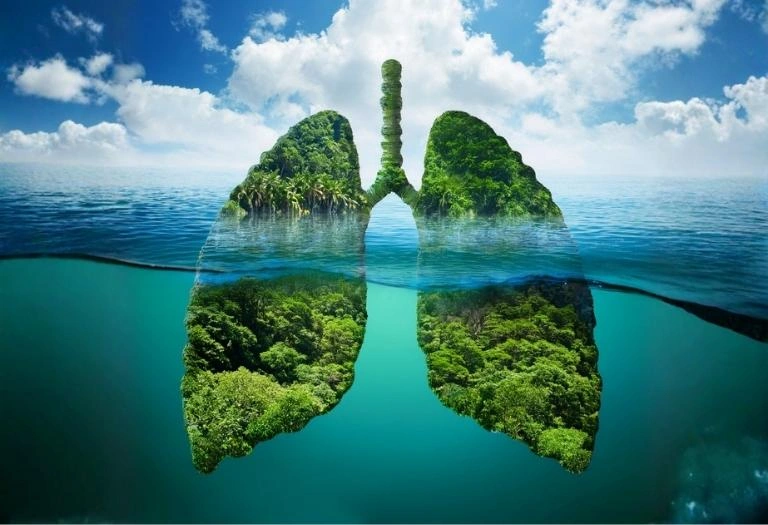
We are living through an unprecedented era of chemical exposure. Unlike the relatively contained environmental risks of previous generations, today’s toxic chemical burden is systemic, woven into the air we breathe, the water we drink, the food we eat, and the products we use at home. And mounting scientific evidence suggests our bodies are struggling to keep up.
Understanding how environmental toxins accumulate in the body and what tools we have to support our natural detoxification systems may be one of the most important health conversations of our time.
How Toxic Chemicals Enter and Accumulate in the Body
The human body is not defenseless. The liver, kidneys, lungs, skin, and digestive system form a remarkably sophisticated detoxification network. These organs neutralize and excrete countless harmful substances every single day.
But there are limits, and the modern toxic load is relentlessly testing them.
The Bioaccumulation Problem
Many industrial chemicals, heavy metals, and pesticides are lipophilic, meaning they dissolve in fat rather than water. When the liver and kidneys can’t fully eliminate these substances, the body routes them into fatty tissue for storage. The brain, which is composed of approximately 60% fat, is particularly vulnerable to this accumulation.
This process, known as bioaccumulation, means a person can appear healthy for years while quietly absorbing a mounting chemical burden. The toxins aren’t being eliminated; they’re simply being warehoused.
Human cells regenerate over time, but here’s the troubling reality: if toxic accumulation isn’t addressed, new cells may simply inherit the chemical load from the old ones. Decade by decade, the body’s tolerance can erode.
Microplastics: A Crisis in Real Time
Perhaps no emerging threat illustrates the scope of modern contamination more starkly than microplastics. Research published in Nature Medicine in early 2025 found that microplastics were present in every brain sample analyzed, with concentrations roughly 50% higher in 2024 samples than in 2016 samples.
A 2024 multicentre study of 257 patients undergoing carotid artery surgery found that participants with detectable microplastics in their arterial plaque had a significantly higher risk of cardiovascular events than those without.
Beyond cardiovascular risk, microplastics have been confirmed in human stool, lung tissue, blood, and placental samples, providing direct evidence that these particles enter and persist within the human body. No acceptable daily intake or safe exposure threshold for humans has yet been established.
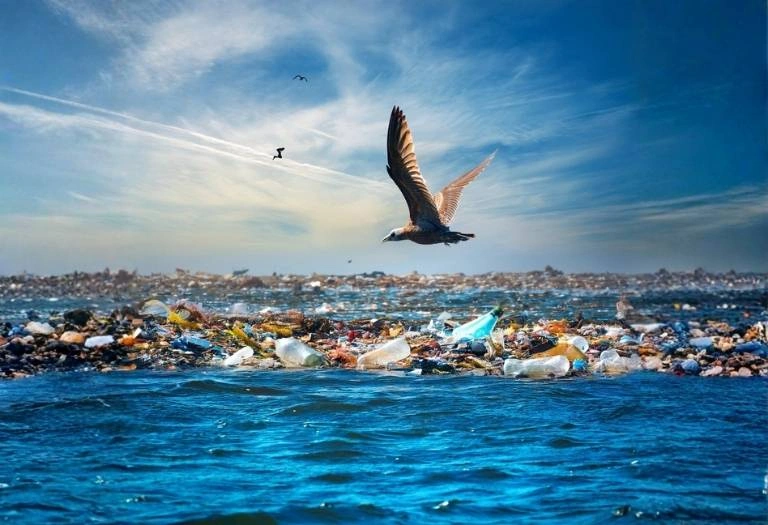
The sources are everywhere: synthetic clothing fibers shed during washing, plastic food packaging, bottled water, seafood, and even airborne particles inhaled with every breath.
The Pesticide Epidemic No One Is Talking About
American farmers apply more than a billion pounds of pesticides, fungicides, and herbicides on crops each year. Glyphosate, the active ingredient in Roundup, is now one of the most widely used chemicals in agricultural history. It has been detected in urine samples, breast milk, and drinking water across multiple countries.
Research on long-term fasting and pollutant excretion has found that heavy metals, including nickel, lead, tin, and titanium, have been detected in human adipose tissue samples, with mercury identified in roughly half of those samples.
The chemical cocktail we absorb daily does not arrive in isolated doses. It arrives as a mixture of pesticides, food additives, plasticizers, and pharmaceutical residues in drinking water. The synergistic effects of these combined exposures on human health are still poorly understood, but early evidence is not reassuring.
Known Health Consequences of Toxic Overload
The body sends signals long before a formal diagnosis appears. Persistent headaches, unexplained fatigue, chronic pain, digestive disruption, and brain fog are all common early warnings that the toxic threshold may be approaching.
Extended exposure to environmental toxins has been associated with:
- Neurological and developmental impairment
- Reproductive disorders and hormonal disruption
- Weakened immune response
- Metabolic dysfunction and obesity
- Chronic inflammation and allergies
- Mental health conditions, including depression and anxiety
- Increased cancer risk
What makes this especially challenging is that many of these symptoms mimic common conditions, and patients may spend years cycling through specialists without anyone examining the root cause. A congested colon disrupting gut-brain signaling, for example, can manifest as depression or anxiety. Treating only the psychiatric symptoms while ignoring the source is a bit like removing the battery from a smoke detector rather than finding the fire.
What Science Says About Fasting and Detoxification
The idea that fasting detoxifies the body is an ancient practice across virtually every major culture and spiritual tradition. But it isn’t only ancient wisdom anymore. Modern science is catching up.
Autophagy: The Body’s Built-In Cellular Cleanup
One of the most compelling mechanisms through which fasting supports health is autophagy, a cellular self-cleaning process in which damaged, dysfunctional, or toxic cellular components are broken down and recycled.
Research integrating studies from 2004 to 2025 has found that intermittent fasting consistently activates autophagy, thereby reducing oxidative stress and inflammation, both of which are critical contributors to aging and chronic disease, while also triggering beneficial hormonal changes, including elevated growth hormone and reduced insulin levels.
A 2025 study measuring autophagy in humans found a significant difference in autophagic activity between participants following intermittent time-restricted eating and those receiving standard care at 6 months, suggesting that nutrient restriction can improve a primary hallmark of biological aging.
In simpler terms, fasting gives your cells the time and metabolic conditions to take out their own trash.
Fasting, Metabolism, and Toxic Release
Research has confirmed that significant weight loss, whether through dietary restriction or other means, leads to measurable increases in blood levels of stored pollutants, as chemicals accumulated in fat tissue are released into circulation. This is why any serious fasting or detoxification protocol should be approached gradually, and ideally with informed guidance.
A 2024 review from the University of California, San Diego, concluded that intermittent fasting promotes extended longevity, weight loss, and improvements in multiple disease conditions, and positively influences tissue-specific microbiomes while minimizing organellar damage.
What Fasting Does NOT Do
Intellectual honesty requires acknowledging the full picture. Mainstream detox-focused diets rarely identify specific toxins they aim to remove, and the mechanisms by which commercial detox programs work are largely unclear. The liver, kidneys, and digestive system are the body’s primary detoxification machinery no supplement or short-term cleanse replaces them.
The most evidence-backed approach is not a dramatic product-fueled detox, but a consistent lifestyle that supports and strengthens the organs that do the actual work.
A Practical Framework for Reducing Your Toxic Burden
The goal is not perfection. It is reduction, systematically lowering the amount of harmful input entering your body while supporting the systems responsible for clearing what gets through.
-
Reduce Exposure at the Source
The most effective detoxification strategy is avoiding toxins in the first place. This means:
- Choosing organic produce for high-pesticide crops (strawberries, spinach, apples, grapes, and peaches top the Environmental Working Group’s lists)
- Filtering drinking water with a quality carbon or reverse osmosis filter
- Minimizing plastic food and beverage containers, especially when heated
- Using fragrance-free, low-chemical cleaning and personal care products
- Ventilating your home regularly to reduce indoor air pollutants
-
Support Your Liver and Kidneys
These two organs are the workhorses of your detoxification system. They are supported by adequate hydration, cruciferous vegetables (broccoli, cabbage, Brussels sprouts), sulfur-rich foods (garlic, onions), fiber for bowel regularity, and reduced alcohol consumption. Chronic pharmaceutical use, while sometimes medically necessary, can add a significant burden; discuss any unnecessary prescriptions with your physician.
-
Practice Intermittent or Extended Fasting Thoughtfully
Intermittent fasting has been shown to effectively reduce weight, fasting insulin levels, and blood glucose, while also increasing antitumor activity of medications and improving outcomes in certain neurological conditions, including memory deficit.
Beginning with a simple 12–16-hour overnight fast is a reasonable, low-risk entry point for most healthy adults. Gradually extending to full-day or multi-day fasts should be done with care and, for anyone with an underlying medical condition, under medical supervision.
-
Move Your Body Every Day
Exercise accelerates toxin elimination through sweat, stimulates lymphatic circulation (which has no pump of its own and depends on movement), and supports metabolic health. Even 30 minutes of brisk walking daily makes a meaningful difference.
-
Prioritize Sleep
The brain’s glymphatic system, a waste-clearance network, operates most actively during deep sleep. Chronic sleep deprivation impairs this process, allowing metabolic waste products and potentially neurotoxic compounds to accumulate in brain tissue.
Ancient Wisdom, Modern Validation
The historical record on fasting is striking in its breadth. Hippocrates, widely regarded as the father of Western medicine, reportedly advised that fasting was among the most effective tools for recovery. Pythagoras, Plato, Aristotle, and Socrates, the intellectual pillars of the ancient world, were all advocates. Spiritual traditions from Christianity to Islam to Buddhism have incorporated fasting as a path toward both physical and mental clarity.
The convergence between ancient practice and modern biochemistry is not coincidental. For most of human evolutionary history, periods of food scarcity were common. The biological mechanisms of autophagy, metabolic switching, and cellular repair were shaped by that reality. A body that periodically fasts may simply be operating closer to the conditions for which it was designed.
Frequently Asked Questions
What are the most common toxic chemicals people are exposed to daily?
Common everyday exposures include pesticide residues on non-organic produce, microplastics from food packaging and water, volatile organic compounds (VOCs) from cleaning products and synthetic materials, heavy metals from older plumbing or certain foods, and industrial chemicals that accumulate in the food chain through animal products. Glyphosate-based herbicides are among the most widespread, detected in water, food, and urine samples globally.
Does fasting actually remove toxins from the body?
Fasting supports the body’s own detoxification systems rather than directly “flushing” toxins out. Research shows that fasting activates autophagy (cellular self-cleaning), supports liver function, reduces oxidative stress, and, during weight loss, releases fat-stored pollutants into the bloodstream for eventual clearance. However, the body’s primary detox organs (liver, kidneys, lungs, gut) do the actual work of elimination, and no fasting protocol replaces them.
How long should I fast for detox benefits?
Benefits begin to accumulate with relatively modest fasting windows. A 12–16 hour overnight fast (which most people can achieve simply by not eating after dinner and skipping breakfast) initiates metabolic switching and early autophagy. Longer multi-day fasts offer more significant cellular repair but carry greater risks and should be approached gradually. Extended fasts of a week or more require medical supervision for most people.
Can reducing toxic exposure improve mental health?
There is growing evidence supporting this connection. Gut health directly influences brain chemistry through the gut-brain axis; chronic exposure to pesticides and heavy metals has been associated with neurological and mood disorders; and systemic inflammation driven in part by environmental toxins is increasingly linked to depression and anxiety. Addressing toxic burden is not a replacement for professional mental health care, but it may be a meaningful complementary strategy.
Are microplastics actually dangerous to human health?
Research is evolving rapidly. Scientists have confirmed the presence of microplastics in human blood, brain tissue, placentas, and arterial plaque. A landmark 2024 study in the New England Journal of Medicine found a significantly elevated risk of cardiovascular events in patients with detectable microplastics in their artery walls. While direct causal relationships between microplastic exposure and specific diseases have not yet been fully established in humans, the trajectory of findings is concerning enough that major regulatory agencies, including the EPA, have now moved microplastics onto priority watchlists.
What foods best support the liver during detoxification?
Cruciferous vegetables (broccoli, kale, cauliflower, Brussels sprouts) contain compounds that activate liver detoxification enzymes. Garlic and onions provide sulfur compounds that support glutathione production, the liver’s master antioxidant. Beets support bile flow. Green tea contains catechins that enhance liver function. Turmeric provides anti-inflammatory support. Staying well hydrated with filtered water supports kidney filtration. And reducing processed foods, alcohol, and unnecessary medications meaningfully reduces the liver’s workload.
Is it too late to start detoxifying if I’m older?
No. The body’s capacity for cellular repair and renewal is remarkable at any age. While accumulated toxic burden may take longer to address, every step toward reducing new exposure and supporting detoxification pathways has real value. Many people report significant improvements in energy, clarity, digestion, and pain levels after adopting consistent dietary and lifestyle changes, regardless of their age when they start.
Conclusion
The chemical environment we live in is genuinely different from anything previous generations faced. The evidence for widespread contamination of brain tissue with microplastics and of breast milk with pesticides is not fringe science. It is published in peer-reviewed journals. It is on EPA watchlists. It is being taken seriously by researchers at institutions worldwide.
The body has extraordinary defenses. But those defenses need support. Reducing chemical exposure, eating organic where possible, filtering water, moving regularly, sleeping deeply, and incorporating thoughtful periods of fasting are not radical acts. They are sensible responses to an unusual challenge.
Knowledge, as the saying goes, is the beginning of wisdom. Applying it is how we protect ourselves and the people we love.
For comprehensive fasting protocols, organ cleanse formulas, and deeply researched health guidance, explore Fasting Firepower by Marjan and additional articles at marjanbooks.com. For editorial reviews and reader testimonials, visit the Online Book Club forums.