Every day, invisible threats enter your body through the air you breathe, the water you drink, and the food you eat. These are not individual pollutants with known risks. They are complex mixtures of industrial chemicals, the kind no laboratory has ever fully tested together, and they are accumulating in the environment and inside human bodies at a pace that science is struggling to keep up with.
These mixtures are what researchers and environmental scientists call “chemical cocktails,” and the evidence of their harm is no longer theoretical.
What Are Chemical Cocktails?
Chemical cocktails are combinations of two or more synthetic or industrial chemicals that enter the environment simultaneously and interact in ways that a single-chemical analysis cannot predict or measure.
Industries worldwide release approximately 21 billion pounds of chemicals into the environment every year. Of those, an estimated 4.5 billion pounds are classified as known carcinogens. The problem is not just volume. It is complexity.
When multiple chemicals combine in soil, water, or the human bloodstream, their effects are no longer additive. They can become exponentially more toxic, disrupting hormones, damaging DNA, and interfering with immune function in ways that no single-substance study would ever reveal.
The Scale of the Problem
The numbers alone are sobering.
The U.S. Environmental Protection Agency recognizes that approximately 7 new chemicals are introduced into commercial use every day, totaling more than 2,500 annually. As of now, 85,000 chemicals are registered for commercial use in the United States alone.
According to PBS NewsHour reporting, around 60,000 of those chemicals have never been fully tested for safety. The EPA, already backlogged and under-resourced, would need centuries to evaluate them all under existing regulatory frameworks. The agency has historically struggled to act even on chemicals with clear evidence of harm. Asbestos, a confirmed carcinogen linked to approximately 15,000 deaths per year in the U.S., still has not been fully banned.
That is not a regulatory gap. That is a regulatory failure.
Chemical Pollution Is a Global Crisis
The contamination is not confined to industrial zones or developing economies. It is everywhere.
Research published by Envirotech Magazine found that combinations of three or more toxic chemicals have been detected in more than 1,600 rivers and groundwater sites across England alone. The University of Maryland Center for Environmental Science has documented severe and largely uncontrolled chemical pollution across India, Pakistan, Bangladesh, Iraq, and China.
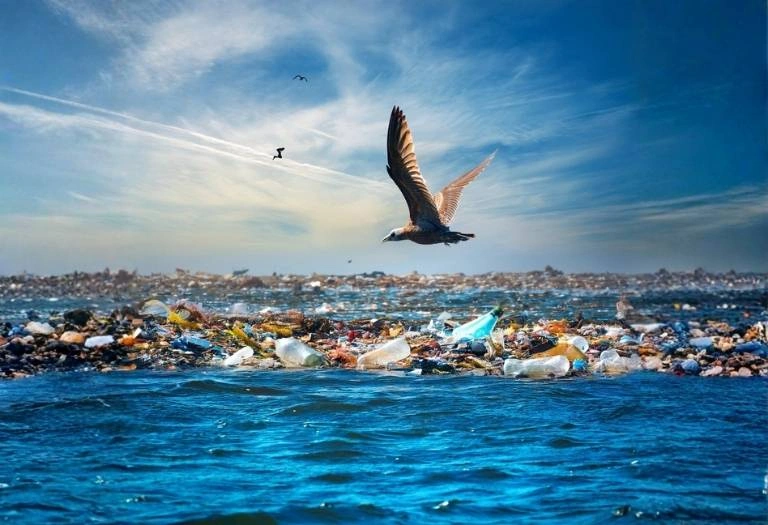
IQAir reports over 700 confirmed dead zones in oceans and lakes worldwide, areas where pollution levels are so severe that aquatic life can not survive.
A study examining just ten umbilical cords found 287 distinct industrial chemicals present at birth. Children are being exposed before they take their first breath. Health Care Without Harm estimates that roughly 310,000 U.S. children between the ages of one and five carry blood lead levels above what the CDC considers safe.
Why Testing Single Chemicals Is Not Enough
Traditional toxicology tests one substance at a time under controlled conditions. That model is inadequate for understanding the real-world threat.
Chemical cocktails interact. A compound that appears harmless in isolation may become significantly more dangerous when combined with two or three others. Water treatment plants are not designed to remove these combinations. Standard statistical models cannot account for their interactions. And human immune and reproductive systems were never built to handle this kind of sustained, multi-source chemical exposure.
This is not a matter of individual sensitivity. It is a systemic exposure problem that affects entire populations.
The Health Consequences We Are Seeing
The chronic disease burden currently being experienced across the developed and developing world does not exist in a vacuum.
Rates of diabetes, kidney disease, heart disease, certain cancers, dementia, and stress-related disorders are rising steadily. So are obesity, hormonal disruption, and pharmaceutical dependency. At the same time, reproductive health is declining on a measurable scale. Sperm counts are falling. Female fertility is dropping. Rates of miscarriage, premature birth, low birth weight, and stillbirth are increasing in multiple countries.
Neurological conditions are following the same trajectory. Learning disabilities, autism spectrum disorders, and behavioral conditions in children continue to rise in parallel with the expansion of industrial chemical use, a correlation that researchers are increasingly taking seriously.
According to data published on ScienceDirect, at least 13 million deaths per year are attributed to environmental pollution, a figure that excludes cancer-related deaths and exceeds every other recognized preventable risk factor.
What Can Individuals Do Right Now?
Systemic problems require systemic solutions. But individual action still matters, and there is meaningful ground between helplessness and waiting for policy change.
Support stronger chemical regulation. Advocate for chemical safety laws that require full testing before commercial approval, not after harm is documented. Corporate lobbying has historically weakened these frameworks. Demanding agency independence from industry influence is a legitimate and necessary civic action.
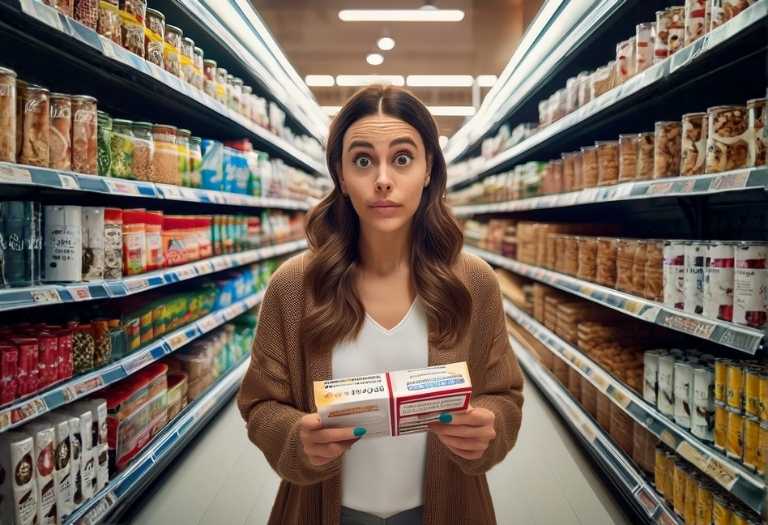
Reduce exposure where possible. Filtering drinking water, choosing organic produce, avoiding plastic food containers, and reading product ingredient labels are practical steps that reduce the daily chemical load entering your body.
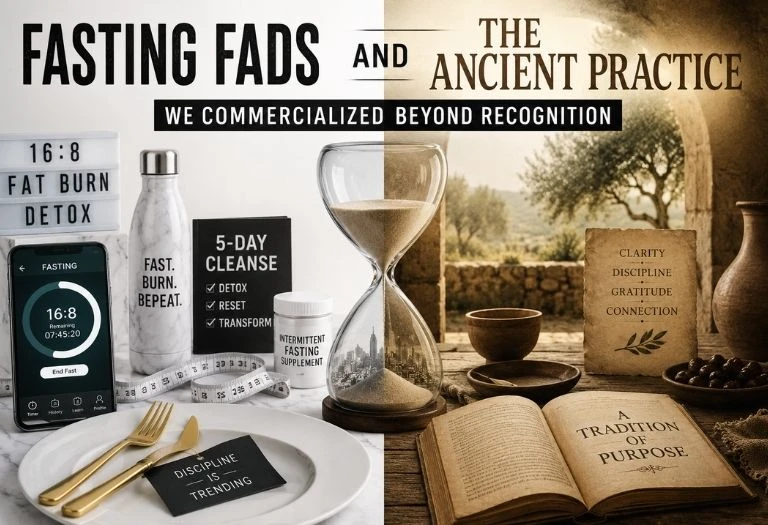
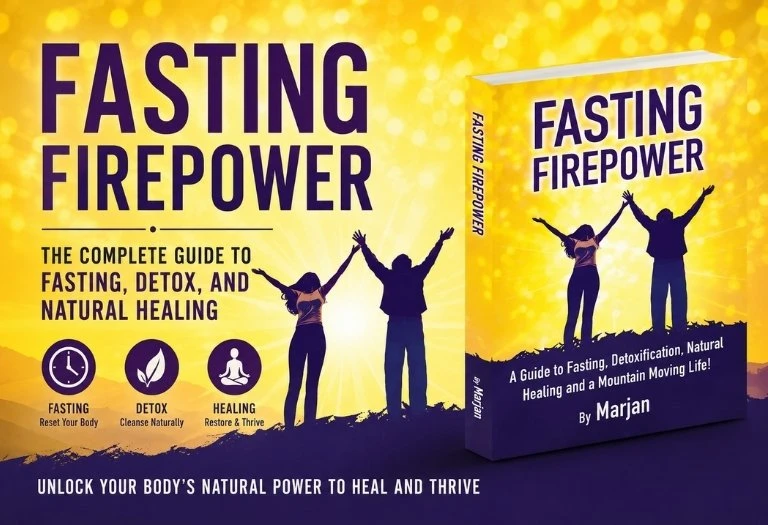
Focus on detoxification through diet and fasting. Evidence-based approaches to fasting and dietary detoxification are among the most well-documented tools for supporting the body’s ability to clear accumulated toxins. The book Fasting Firepower by Marjan, available on Amazon and through the author’s website, offers an in-depth exploration of fasting science, historical context, and practical detoxification strategies developed over more than five decades of personal and clinical research. It is one of the more comprehensive resources available on this specific topic.
Build awareness. Most people are unaware of the scale of chemical exposure they face daily. Sharing credible information with family, friends, and communities creates the kind of social pressure that eventually shapes political will.
Frequently Asked Questions
What exactly is a chemical cocktail?
A chemical cocktail is a mixture of two or more synthetic chemicals that interact in the environment or within the human body. Their combined effects are often more harmful than any single chemical studied in isolation.
Are chemical cocktails present in everyday products?
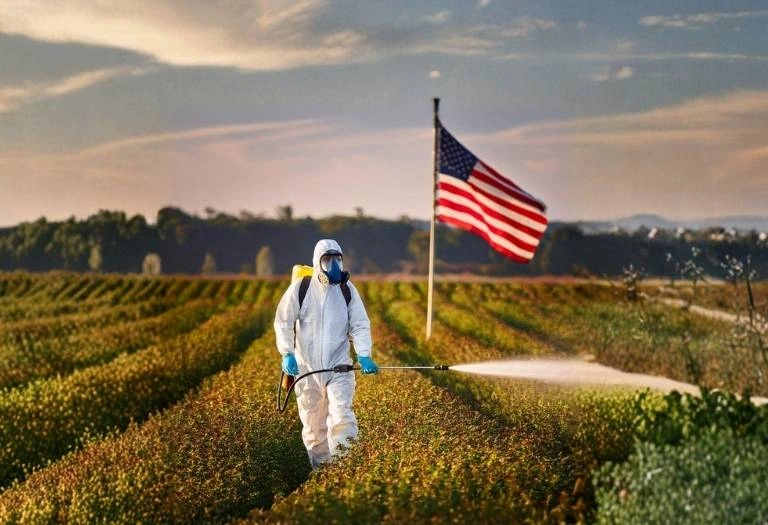
Yes. Pesticide residues in food, synthetic compounds in personal care products, industrial pollutants in drinking water, and airborne chemicals from manufacturing all contribute to daily exposure to a chemical cocktail.
Can the human body naturally eliminate chemical cocktails?
The body has natural detoxification systems, primarily the liver and kidneys. However, these systems were not designed for the volume and variety of synthetic chemicals present in the modern environment. Dietary strategies, fasting, and reduced exposure can support the body’s capacity to process and eliminate accumulated toxins.
Why has the EPA not banned more harmful chemicals?
The EPA operates under legislation that has historically placed the burden of proving harm on the agency rather than requiring manufacturers to prove safety before market entry. Combined with limited resources, a large backlog, and significant industry lobbying, the result has been slow and incomplete regulation of known hazardous substances.
What is the most effective individual action?
Reducing direct exposure, supporting evidence-based detoxification practices, and engaging politically on chemical safety legislation are among the most effective approaches available to individuals.
Conclusion
Chemical cocktails are not a future threat. They are a present reality, measured in blood lead levels in toddlers, in dead ocean zones, in contaminated groundwater, and in the rising rates of chronic disease across virtually every developed society.
The response required is both personal and political. Individual choices around diet, product selection, and detoxification matter. But they are not sufficient on their own. Regulatory reform, independent scientific oversight, and genuine corporate accountability are essential if the trajectory is going to change.
The information is available. The research exists. What remains is the will to act on it.