
Every parent wants their child to thrive. But the truth is, children today are growing up in a world saturated with toxic chemicals, processed foods, and environmental pollutants that their developing bodies are simply not equipped to handle. The result is a generation facing rising rates of behavioral disorders, developmental delays, and chronic health conditions that were far less common just decades ago.
This is not about fear-mongering. It is about understanding what the science actually says, so parents can make informed decisions.
Why Children Are More Vulnerable to Toxins Than Adults
Children are not simply small adults when it comes to how their bodies process harmful substances. Pound for pound, they eat more food, breathe more air, and drink more water than adults do. Their natural hand-to-mouth behaviors and their time spent close to the ground increase direct exposure to hazardous substances found in soil, dust, and household surfaces.
More critically, children’s metabolic pathways are still developing. Their liver and kidneys are not yet efficient at detoxifying and excreting pollutants the way a mature adult body can. Add to this the fact that children are in a constant state of rapid growth, and the window for toxic substances to disrupt normal development becomes dangerously wide.
The Scale of Childhood Poisoning in America
The numbers from the Centers for Disease Control and Prevention are sobering. Every day, approximately 374 children up to the age of 19 are treated for poisoning in emergency rooms across the United States. At least two children die from poisoning every single day.
Each year, more than 500,000 children under the age of five experience poisoning incidents related to medications alone. More than 60,000 children are treated in emergency departments annually due to accidental, unsupervised ingestion of harmful substances.
These are not isolated incidents. They reflect a systemic problem rooted in what children are routinely exposed to.
Common Sources of Childhood Poisoning
The list of substances responsible for childhood poisoning is broader than most parents realize. It includes:
- Household cleaning products
- Personal care products and topical creams
- Over-the-counter and prescription medications
- Antihistamines and synthetic vitamins
- Pesticides and herbicides
- Tobacco products and alcohol
- Batteries and hydrocarbons
- Toxic plants
Beyond accidental ingestion, ongoing low-level exposure to many of these substances is equally concerning, particularly when it comes to heavy metals and environmental chemicals.
Heavy Metals and Their Impact on Child Development
Heavy metals are among the most well-documented threats to childhood neurological development. Research published by the National Institutes of Health confirms that exposure to metals such as mercury, manganese, arsenic, aluminum, and lead, even at low levels, can cause significant harm.
These metals have been linked to:
- ADHD (Attention Deficit/Hyperactivity Disorder)
- Autism spectrum disorder
- ADD (Attention Deficit Disorder)
- Depression and anxiety
- Other cognitive and behavioral disorders
One of the challenges with heavy metal exposure is that standard testing methods, whether blood, hair, or urine samples, each have limitations and are often inconclusive. If metal poisoning is suspected, a comprehensive detox program and elimination diet under the guidance of a qualified healthcare professional is essential.
The Rising Epidemic of Behavioral and Developmental Disorders
It is completely normal for children to be energetic, easily distracted, and emotionally volatile at times. But when these behaviors become difficult and unmanageable, a formal diagnosis often follows.
According to CDC data on developmental disabilities, one in six children in the United States is now affected by a developmental or behavioral disorder. The situation is even more severe in low and middle-income countries. Research from Harvard T.H. Chan School of Public Health found that one-third of children in these regions fail to meet basic developmental milestones, driven by poverty, malnutrition, untreated disease, and greater exposure to unregulated industrial toxins.
Diet, Toxins, and the Root Causes of These Disorders
A growing body of research points to the combination of poor diet and environmental toxin exposure as the leading contributors to today’s childhood health crisis. Children are increasingly exposed to:
- Processed and ultra-processed foods
- Artificial food coloring and preservatives
- GMO ingredients and refined sugars
- Pesticide and herbicide residues
- Phthalates found in plastics and packaging
- Food additives used to extend shelf life
Blood tests on affected children frequently reveal significant nutritional deficiencies alongside elevated toxin markers. Even more concerning, some medications prescribed to treat behavioral disorders actually further deplete essential vitamins and minerals, compounding the underlying problem.
The Over-Medication of Children
Many children diagnosed with behavioral disorders are placed on pharmaceutical drugs without a thorough investigation into the root cause of their symptoms. The drugs commonly prescribed include Ritalin, Adderall, Concerta, Trileptal, Prozac, and various antihistamines and painkillers.
The prescribing rate has increased by over 300 percent in recent years. One in ten children in the United States is now on some form of medication for a behavioral or cognitive condition.
This is not to say medication is never appropriate. There are cases in which an underlying organic condition requires pharmaceutical management. and all possibilities must be carefully explored. However, the possibility that a child’s symptoms are rooted in toxic burden and nutritional deficiency deserves equal attention before reaching for a prescription pad.
Natural Approaches That Show Real Promise
The good news is that research supports meaningful improvement through non-pharmaceutical interventions. A study published in the journal Nutrients found that ADHD symptoms were reduced by 60 percent over a minimum three-month period simply by transitioning children to a restricted elimination diet, sometimes called a few-foods diet (FFD).
Other evidence-based approaches include:
Dietary changes: Removing processed foods, artificial additives, and known allergens while increasing whole, nutrient-dense foods.
Nutritional supplementation: Replenishing deficiencies in key vitamins and minerals that are commonly found to be low in children with behavioral disorders.
Probiotics: Multiple studies, including one cited by PubMed, have shown that probiotic supplementation can support gut health in ways that positively affect brain function and behavior.
Detoxification support: Clearing and strengthening the body’s natural detoxification pathways under professional supervision.
Lifestyle factors: Regular exercise, adequate sleep, fresh air, and reduced screen time all contribute meaningfully to cognitive and behavioral health.
Before making any changes to a child’s current treatment plan or stopping any prescribed medication, it is absolutely essential to consult a knowledgeable and qualified physician.
The Brain-Body Connection Parents Cannot Ignore
The brain does not operate in isolation. What a child eats, breathes, and absorbs through their skin affects brain chemistry, neural development, and behavior. Many cognitive symptoms that are diagnosed as standalone disorders, including anxiety, sleeplessness, irrational behavior, hypersensitivity, and mood instability, may in fact be signals from a body under toxic stress.
Addressing that stress through diet, detoxification, and nutrient repletion does not replace conventional medicine. But it opens a conversation that too few pediatricians are having with parents.
Frequently Asked Questions
What are the most common sources of toxic exposure for young children?
The most common sources include household cleaning products, medications, pesticides, personal care products, processed foods containing artificial additives, and environmental exposure to heavy metals through contaminated water, soil, and air.
Can diet really make a difference in a child’s behavioral symptoms?
Yes. Multiple peer-reviewed studies have found significant reductions in ADHD and related symptoms when children are placed on elimination or whole-food diets. The impact of diet on brain function and behavior is well-documented and should not be underestimated.
How are heavy metals tested in children?
Blood, hair, and urine tests are the standard methods, but each has limitations. No single test is definitive. A combination of testing methods along with clinical evaluation is typically needed to form a complete picture.
Should I stop my child’s medication if I suspect toxin overload?
Never stop or reduce a prescribed medication without first consulting your child’s physician. A qualified integrative or functional medicine doctor can help you evaluate both pharmaceutical and non-pharmaceutical options together.
At what age does toxic exposure become most harmful?
Early childhood, from birth through the first several years of life, represents the most critical window of vulnerability. During this period, the brain and organ systems are developing rapidly and are most susceptible to disruption from toxic substances.
Are behavioral disorders in children always caused by toxins?
No. Behavioral and developmental disorders have multiple causes, including genetics, prenatal factors, infections, and trauma. However, toxic burden and nutritional deficiency are increasingly recognized as contributing factors that are often overlooked in conventional diagnosis.
Final Thoughts
The rise in childhood behavioral disorders, developmental delays, and health conditions is real, well-documented, and deeply concerning. Understanding the role that toxins, diet, and nutritional deficiency play in a child’s health is not about rejecting medicine. It is about giving every child the most complete, honest evaluation possible.
Parents who educate themselves, ask the right questions, and work with qualified professionals who take a whole-body approach are better positioned to help their children reach their full potential. The answers are often simpler than the pharmaceutical industry would have us believe, and for many families, they make all the difference.
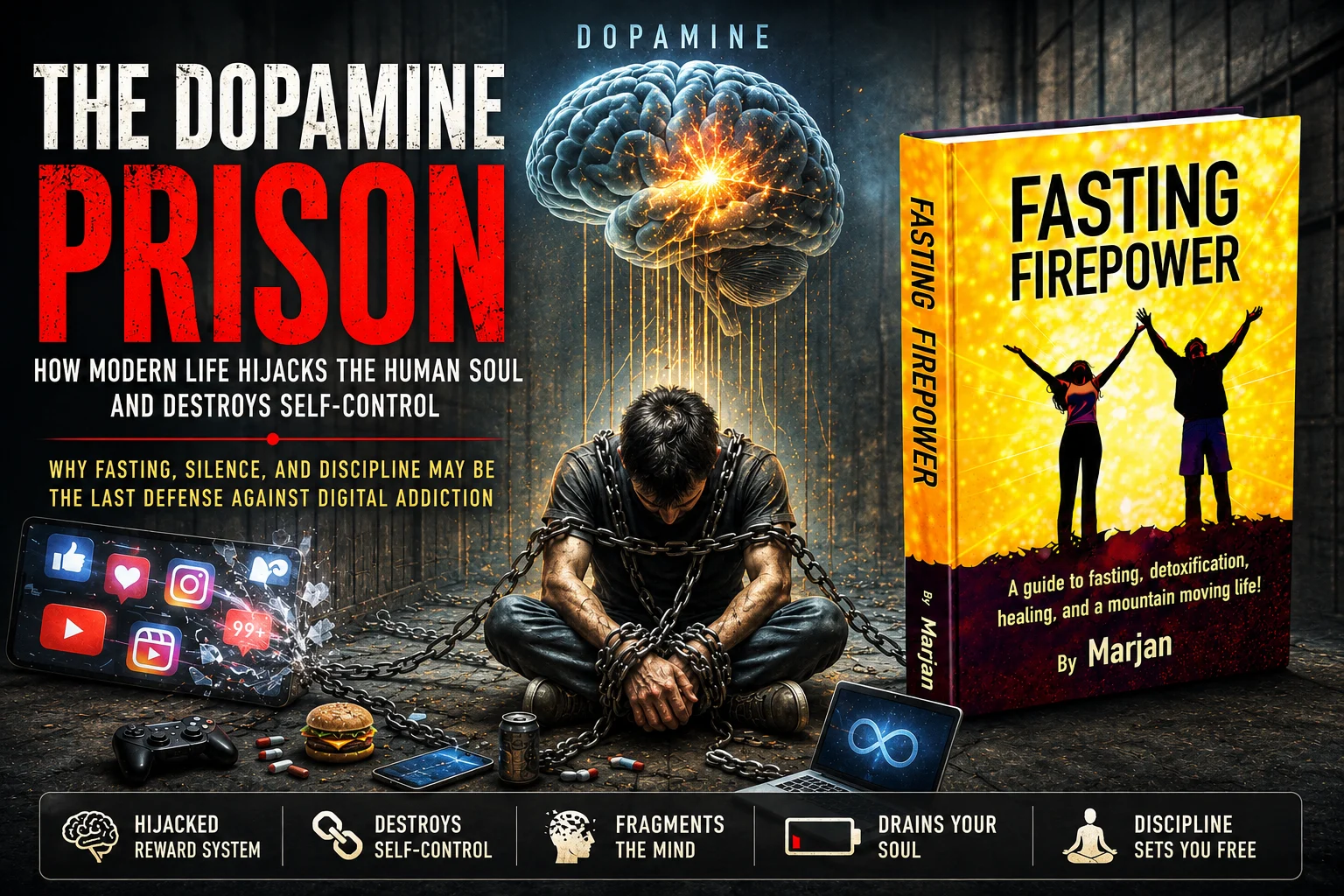
For a deeper exploration of detoxification, natural healing, and the science behind toxic exposure, Fasting Firepower by Marjan combines over 50 years of personal experience with scientific research and practical guidance to offer genuine, actionable solutions for families navigating these challenges.