Fasting has been practiced for centuries, and modern science is finally catching up to what ancient healers understood long ago. Whether you are exploring water fasting for the first time or considering juice fasting as a gentler approach, the benefits go far deeper than weight loss. From cellular repair to mental clarity, fasting can be one of the most effective tools for restoring your health from the inside out.
This guide covers the real, evidence-backed benefits of water fasting and juice fasting, how detoxification works inside the body, and what you can realistically expect from a fasting practice.
What Is Water Fasting and Juice Fasting?
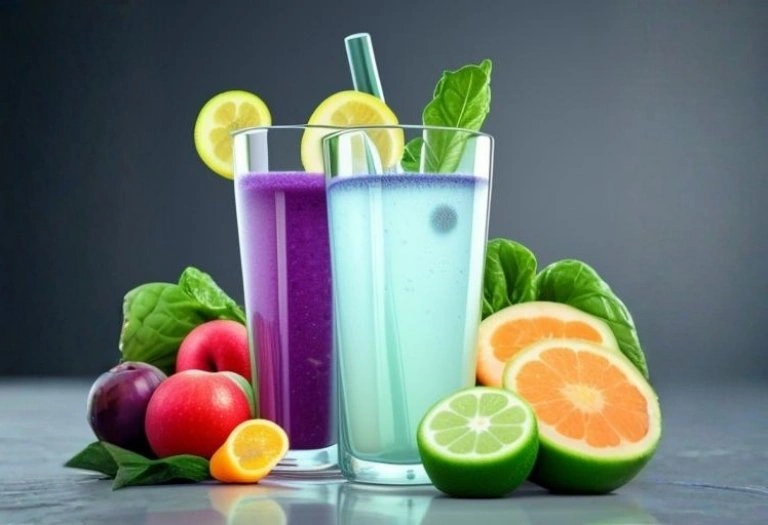
Water fasting means consuming only water for a set period, allowing the digestive system to fully rest while the body redirects its energy toward repair and detoxification. Juice fasting follows the same principle but includes fresh fruit and vegetable juices, providing micronutrients while still giving the gut a significant break from solid food.
Both approaches fall under the broader category of therapeutic fasting, a practice with roots in Ayurvedic and ancient Greek medicine, as well as religious traditions across nearly every major culture. Today, researchers and clinicians are revisiting fasting not as an extreme diet but as a legitimate health intervention.
How Fasting Detoxifies the Body
One of the most important things fasting does is mobilize toxins stored deep in the body’s fat tissue and lymphatic system. Over time, environmental pollutants, heavy metals, pesticide residues, and metabolic waste products accumulate in fat cells. The body stores them there specifically because it cannot process them fast enough under normal dietary conditions.
When you fast, the body begins burning stored fat for energy. As those fat cells break down, the toxins they contain are released into the bloodstream and eventually filtered by the liver, kidneys, lungs, and skin.
As physician Joel Fuhrman, M.D., explains in Fasting and Eating for Health, this detoxification process occurs most efficiently during total fasting, when the body is not spending any energy on digestion and can fully commit to cellular cleanup.
Beyond fat-stored toxins, fasting also helps break down abnormal cells, atheromatous plaque along arterial walls, and surplus tissue. The process activates autophagy, the body’s built-in cellular recycling mechanism, which has become one of the most studied areas in longevity science. Research published by the National Institutes of Health confirms that caloric restriction and fasting are among the strongest known triggers of autophagy.
The Hidden Role of Chemical Toxins in Chronic Illness
Many people spend years visiting doctors without ever identifying the root cause of their symptoms. Chronic fatigue, joint pain, brain fog, skin conditions, and even depression are often attributed to stress or genetic predisposition. But in many cases, toxic overload plays a significant and underrecognized role.
Invisible chemical toxins, heavy metals, parasites, and accumulated metabolic waste can create a state of chronic inflammation that is difficult to diagnose through standard blood panels. A congested, poorly functioning colon, for example, can produce neurotoxins that directly affect mood and cognitive function. A person struggling with unexplained anxiety or low mood may be dealing with gut toxicity rather than a psychiatric condition.
Fasting works like wringing out a saturated sponge. It creates the internal conditions necessary for the body to expel what it has been holding onto, often producing noticeable improvements in symptoms that conventional treatment was unable to address.
The Physical Benefits of Water Fasting and Juice Fasting
The physical changes people experience during and after a well-managed fast are often more dramatic than anything achieved through diet or medication alone. Here is what the research and clinical experience consistently show:
Weight loss without muscle wasting. When done correctly, fasting burns fat stores while preserving lean muscle mass, particularly during shorter fasts. Unlike crash dieting, fasting tends not to produce the loose, flabby skin associated with rapid weight loss from caloric restriction alone.
Organ rest and recovery. The liver, kidneys, and digestive organs get a genuine rest from constant processing. This allows damaged or inflamed tissue to repair itself. Many people report that conditions like acid reflux, bloating, and irritable bowel symptoms improve significantly after a fast.
Improved breathing. As the lungs are relieved of metabolic congestion, breathing often becomes fuller, deeper, and easier. People with mild respiratory issues sometimes notice a meaningful difference after a multi-day fast.
Joint health. Inflammation is a primary driver of joint pain. By reducing the systemic inflammatory load, fasting can relieve joint stiffness and improve range of motion, sometimes dramatically.
Cellular regeneration. Through autophagy and the breakdown of damaged or abnormal tissue, fasting gives the body an opportunity to rebuild healthier cells. This is part of why longer fasts have been studied for cancer prevention and immune system reset.
The Mental and Neurological Benefits of Fasting
The mind is one of the first places where fasting shows its effects. Within the first day or two, many people experience a noticeable lift in mental clarity. Thought becomes sharper, focus improves, and the mental fog that often accompanies a poor diet begins to clear.
There are physiological reasons for this. When the body shifts from burning glucose to burning ketones for fuel, the brain often functions more efficiently. Ketones are a cleaner fuel source for neural tissue, and many people describe a heightened sense of awareness and calm during a fast.
Beyond the biochemical explanation, the nervous system itself benefits from the reduction in digestive activity. A significant portion of the autonomic nervous system is devoted to managing digestion. When that demand drops, the system rebalances, often reducing anxiety and improving sleep.
Fasting also reduces systemic inflammation, which is increasingly understood to play a role in depression and cognitive decline. Research from Harvard Medical School has drawn direct connections between chronic inflammation and mental health disorders.
Water Fasting vs. Juice Fasting: Which Is Right for You?
Both approaches have genuine benefits. The right choice depends on your experience level, health goals, and current physical condition.
Water fasting is the more intensive option. It promotes faster, deeper detoxification, triggers autophagy more strongly, and is typically recommended for more experienced fasters or those under professional supervision. Beginners may find it physically challenging, particularly in the first 24 to 48 hours.
Juice fasting is more accessible and sustainable for most people. Fresh juices provide vitamins, minerals, and enzymes that support the detox process while making the experience easier to manage. It is an excellent starting point for those new to fasting or those dealing with conditions that require maintained blood sugar levels.
For a well-researched introduction to juice-based fasting approaches, Reboot with Joe offers extensive resources developed in collaboration with medical professionals.
How to Approach Fasting Safely
Fasting is not suitable for everyone in every situation, and approaching it without preparation can produce unnecessary discomfort or risk. A few foundational principles apply:
Ease into it. A one-day fast is a reasonable starting point. Attempting a multi-day water fast without any prior experience often leads to early abandonment or physical distress.
Break the fast carefully. What you eat coming out of a fast matters as much as the fast itself. Starting with broth, diluted juices, or soft fruits prevents digestive shock and allows the gut to reactivate gradually.
Stay hydrated. During a water fast, drinking two to three liters of clean, filtered water per day supports kidney function and helps flush mobilized toxins from the bloodstream.
Consult a healthcare provider. Anyone with a diagnosed medical condition, those on prescription medications, pregnant or breastfeeding women, and individuals with a history of eating disorders should speak with a qualified professional before beginning any fasting protocol.
The Cleveland Clinic’s overview of fasting is a reliable starting point for understanding what the medical community currently endorses.
What You Notice After a Fast
People who complete even a short, well-managed fast often report a consistent set of changes. Skin takes on a clearer, more even tone. The whites of the eyes appear brighter. Energy levels stabilize rather than spiking and crashing throughout the day. Sleep deepens. Digestion feels more efficient and less effortful.
Over time, those who incorporate periodic fasting into their lifestyle report sustained improvements in overall well-being that are difficult to attribute to any single variable. The cumulative effect of giving the body regular intervals of rest and deep cleaning produces results that most conventional health interventions do not.
FAQs About Water Fasting and Juice Fasting
How long should a beginner fast for the first time?
A 24-hour water or juice fast is a sensible starting point. It is long enough to begin experiencing the benefits without being overwhelming for someone new to the practice.
Will fasting cause muscle loss?
Short-term fasting, typically up to 72 hours, does not cause significant muscle loss in healthy individuals. The body prioritizes fat stores and damaged tissue before turning to muscle protein. Extended fasting without proper supervision carries a greater risk.
Can fasting help with chronic illness?
There is growing clinical evidence that fasting can reduce inflammation, support immune function, and improve metabolic health in people with chronic conditions. However, it should always be done in consultation with a healthcare provider when an existing condition is involved.
What can I drink during a water fast?
Plain water, still or sparkling, is the standard. Some practitioners permit herbal teas without sweeteners. Anything with calories, including coffee with milk or sweetened drinks, breaks the fast.
Is juice fasting as effective as water fasting for detox?
Juice fasting provides a meaningful detoxification effect and is significantly easier to sustain. Water fasting tends to produce deeper and faster results but requires more preparation and, in many cases, professional guidance for fasts beyond 24 to 48 hours.
How often should I fast?
There is no universal answer. Many people incorporate a monthly one-day fast into their routine. Others practice intermittent fasting daily or weekly. Longer annual fasts of three to seven days are also common in therapeutic fasting traditions.
Final Thoughts
Water fasting and juice fasting are not trends. They are among the oldest and best-documented approaches to restoring the body’s natural healing capacity. When practiced with intention and proper preparation, fasting offers a level of internal renewal that no supplement or medication can replicate.
The science, the clinical records, and the testimony of thousands of practitioners point in the same direction. A body given regular periods of rest from digestion and toxic accumulation performs better, ages more gracefully, and maintains its vitality far longer.
Whether you start with a single day or work toward a longer protocol under medical guidance, fasting is one of the most powerful investments you can make in your long-term health.