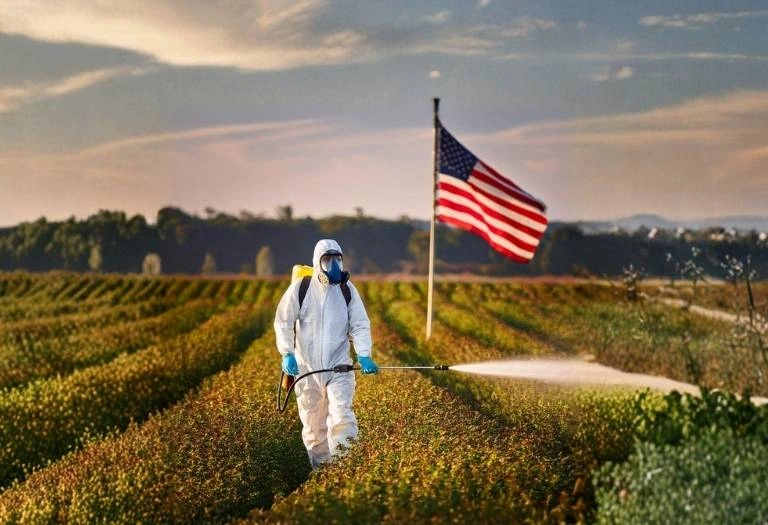
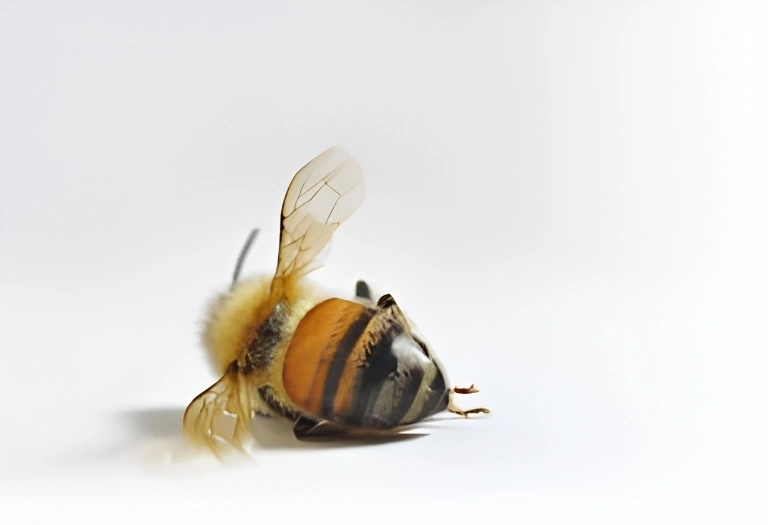
The bee population crisis is causing bees to decline. Quietly, steadily, and at a speed that scientists are now calling alarming. But the crisis does not begin and end with bees. What is unfolding across the planet is a broader collapse of insect life, wildlife populations, and ultimately human health, all linked to one common thread: the unchecked use of toxic chemicals in modern agriculture.
This is not a fringe concern or an environmental talking point. It is a measurable, documented, and accelerating emergency.
Why Bees Matter More Than Most People Realize
Bees are not just honey producers. They are critical infrastructure for life on Earth.
According to the National Library of Medicine, bees pollinate approximately 80% of all flowering plants, including the majority of fruits and vegetables humans depend on for nutrition. They also produce honey and compounds with natural antimicrobial properties that have been used in traditional medicine for centuries.
Lose the bees, and you lose the food system as we know it.
The numbers already reflect serious damage. According to National Geographic, roughly 25% of bee species worldwide have vanished since the 1990s alone. That is a quarter of all known bee species gone within a single generation.
What Is Killing the Bees?
The causes are interconnected and mutually reinforcing. No single factor explains the collapse, but the combination paints a grim picture.
Pesticides and Chemical Exposure
Pesticides are among the most well-documented threats. They suppress bees’ immune systems, weaken entire hives, and make colonies far more vulnerable to parasitic infection and disease.
Biologists have now identified more than 150 different chemical residues in bee pollen alone. That figure comes from research on real hive samples and reflects just how saturated agricultural environments are with synthetic compounds.
Neonicotinoids, a class of pesticide widely used in commercial farming, have been singled out in multiple peer-reviewed studies as particularly destructive to bee neurology and navigation. The European Food Safety Authority has acknowledged their risk, and the European Union moved to ban the outdoor use of three major neonicotinoids in 2018.
Habitat Destruction
The Eden Project reports that Britain has lost 97% of its wildflower meadows since World War II. Those meadows were the primary foraging and nesting habitat for wild bees. Without them, bee populations have nowhere to go.
This is not a problem exclusive to Britain. Across the world, agribusiness continues to convert grasslands and forests into large-scale monoculture farms. Monocultures eliminate biodiversity, strip away natural habitat, and produce chemical-saturated environments where bee survival becomes increasingly difficult.
According to Greenpeace, the number of bee colonies per hectare has declined by 90% since 1962. That decline closely mirrors the rise of industrial agriculture over the same period.
The Role of Chemical Companies
Despite the mounting evidence, several of the world’s largest agrochemical corporations have been slow to change course. Companies including Bayer, Syngenta, BASF, Dow, DuPont, and Monsanto have continued to defend and market the very compounds implicated in pollinator decline. The financial incentives are significant. The global pesticide market is worth hundreds of billions of dollars, and accountability has historically lagged far behind the science.
The Broader Insect Collapse
Bees are a visible symbol of a much wider problem.
A meta-analysis of 16 studies published by the Proceedings of the National Academy of Sciences (PNAS) found that insect populations have declined by 45% over the past 40 years. A separate study published in the Journal of Biological Conservation concluded that 40% of all insect species are now threatened with extinction, and many are disappearing from regions where they were once common.
These are not small numbers. Insects form the base of countless food chains. Their loss creates cascading effects throughout entire ecosystems.
Stanford University researchers documented one of the starkest examples of this collapse in Puerto Rico, where a study revealed a 98% decline in ground insects over 35 years. The research team described the results as shocking, even by their own expectations.
Wildlife Populations in Freefall
The insect collapse does not stay contained. Every species that feeds on insects absorbs the consequences.
Birds, reptiles, amphibians, and fish all depend heavily on insects as a food source. Their populations are declining in parallel with insect loss. Bats, which feed almost exclusively on insects, have seen population drops of up to 90% in some regions.
The economic value of bats to agriculture is not trivial. According to the National Park Service, bats save U.S. agriculture approximately $3 billion per year simply by consuming pest insects naturally, without any chemical intervention.
Butterflies and moths have declined by approximately 58% on farmland. Beetles, which perform the essential ecological function of breaking down manure in pastures and returning nutrients to the soil, are also declining steadily. Each loss compounds the next.
How Toxic Chemicals Are Affecting Human Health
The chemical exposure that is collapsing insect populations does not stop at the edge of the farm. It enters water supplies, soil, food, and ultimately human bodies.
The Centers for Disease Control and Prevention (CDC) has documented rising rates of cancer, stroke, diabetes, ADHD, and numerous other chronic conditions that researchers increasingly link to environmental chemical exposure. According to reporting by Forbes, an estimated 170 million Americans could be living with one or more chronic health conditions by 2030.
An analysis published in the Journal of Biological Conservation identifies unwarranted chemical use as one of the primary drivers behind this public health trajectory. The connection between agricultural toxins and human illness is no longer speculative. It is supported by a growing body of peer-reviewed research.
The pattern is reminiscent of an earlier era. For decades, tobacco companies actively suppressed research linking cigarettes to cancer. Today, a number of major agrochemical companies find themselves in a comparable position: defending products that accumulating evidence suggests are causing serious harm.
What Needs to Change
The scale of this problem demands more than individual awareness. It requires systemic change in how food is produced, regulated, and consumed.
Shift Toward Organic Agriculture
Organic farming eliminates synthetic pesticides and fertilizers. Supporting organic producers, even in small ways through purchasing decisions, sends a market signal that matters. Certified organic standards are maintained and monitored by bodies such as the USDA National Organic Program.
Demand Stronger Regulation
Governments have the authority to restrict or ban harmful compounds. Citizens and consumer groups have demonstrated that public pressure can accelerate regulatory action, as happened with neonicotinoid restrictions in the EU. Staying informed and supporting environmental advocacy organizations translates into real policy change.
Reduce Pesticide Use at Home
Household and garden pesticide use contributes to the broader chemical load in local ecosystems. Choosing non-toxic alternatives for lawn and garden care helps reduce cumulative exposure for local pollinators.
Support Biodiversity Initiatives
Planting native wildflowers, supporting local conservation efforts, and avoiding the use of herbicides in private gardens all contribute to rebuilding the natural habitats that bees and other pollinators depend on.
The Case for Detoxification and Personal Health Protection
While the systemic changes needed are large in scale, individuals can take meaningful steps to reduce their own chemical burden.
The foods we eat, the products we use, and the environments we live in all contribute to accumulated toxin exposure over a lifetime. Fasting has been studied as one method of supporting the body’s natural detoxification pathways. Research published through institutions including the National Institutes of Health has examined how fasting affects metabolic processes, cellular repair, and the body’s ability to process and eliminate accumulated compounds.
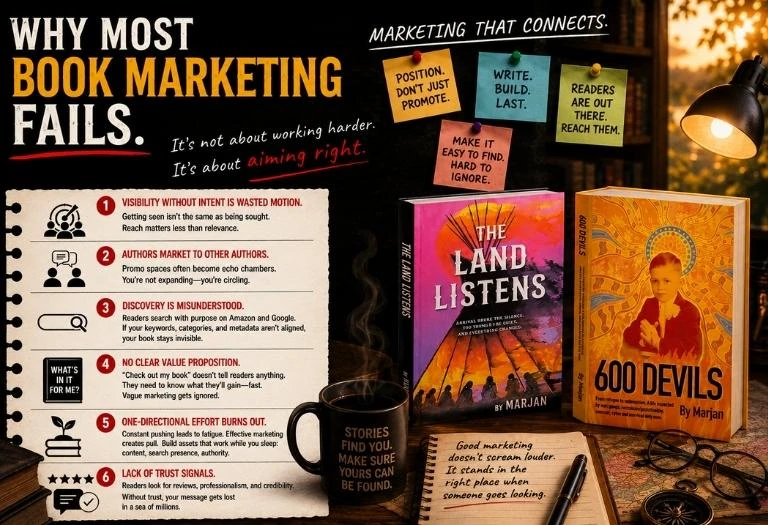
Fasting Firepower by Marjan draws on over 50 years of personal experience combined with scientific research and historical context to offer a comprehensive guide to fasting and detoxification from unnatural chemical toxins. For anyone looking to understand the relationship between environmental toxins and personal health, it is a resource worth serious attention.
Frequently Asked Questions
Why are bee populations declining so rapidly? The primary causes include exposure to pesticides (particularly neonicotinoids), widespread habitat loss due to industrial agriculture, monoculture farming practices, parasites such as Varroa mites, and the cumulative effect of multiple chemical exposures interacting together.
How do pesticides affect bees specifically? Pesticides suppress bees’ immune systems, impair their navigation and memory, reduce reproductive success, and leave hives more vulnerable to disease and parasitic infection. Sub-lethal doses can be just as damaging as lethal ones when exposure is chronic.
Are insects other than bees also declining? Yes. Meta-analyses indicate that global insect populations have declined by roughly 45% over the past 40 years. Butterflies, beetles, moths, and many other species are all affected, with cascading consequences for the wildlife and ecosystems that depend on them.
Can organic farming actually make a difference? Research consistently shows that organic farms support greater insect biodiversity than conventionally farmed land. Transitioning even a portion of global agriculture to organic methods would significantly reduce chemical pressure on pollinator populations.
How does agricultural chemical exposure affect human health? Chronic low-level exposure to agricultural chemicals has been associated with increased rates of cancer, neurological disorders, hormonal disruption, and metabolic conditions. The CDC and multiple peer-reviewed studies support this connection, though the full scope of long-term effects is still being studied.
What can ordinary people do to help? Buy organic where possible, avoid household pesticides, plant native wildflowers, support environmental organizations, and stay informed about pesticide regulation in your region. Collective consumer behavior is one of the most powerful drivers of change in agricultural practice.
Conclusion
The decline of bees is not an isolated problem. It is one visible signal of a systemic breakdown in the health of ecosystems that took millions of years to develop and are being disrupted within decades.
The science is clear. Insect populations are collapsing. Wildlife that depends on insects is following. Human health is being affected by the same chemical systems driving that collapse.
The response to this requires urgency at every level, from international policy and corporate accountability to individual purchasing decisions and personal health choices.
There is still time to change course. But the window is narrowing, and delay carries real consequences for every living thing on this planet.