
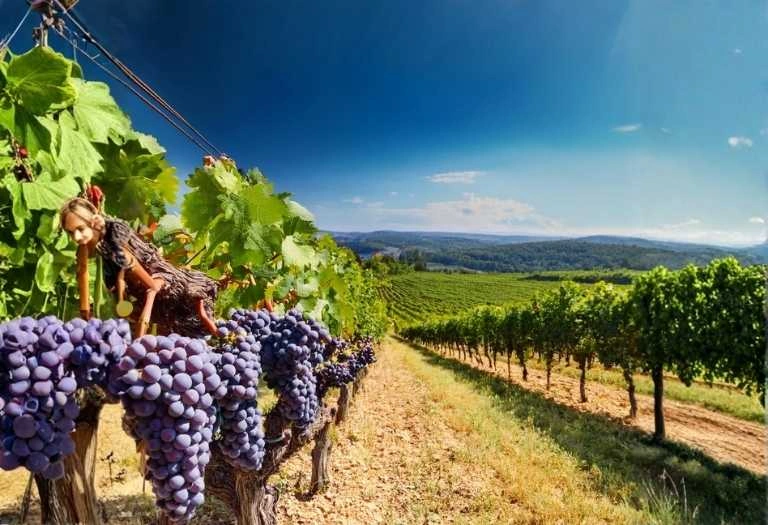
Grape Fasting: Benefits, History, and How to Do It Right
Grapes have been eaten for thousands of years, but their role in therapeutic fasting is something modern wellness culture is only now rediscovering. From ancient European traditions to peer-reviewed research on resveratrol, the science and history behind grape fasting are far more substantial than most people realize.
This guide covers everything you need to know: what grape fasting actually is, what the research says, how to do it safely, and what you can realistically expect.
What Is Grape Fasting?
Grape fasting is a short-term dietary practice in which a person consumes only fresh grapes, grape juice, and water for a set period. The goal is detoxification, cellular repair, and digestive rest.
A standard grape fast involves eating between four and six pounds of organic grapes daily. The grapes are consumed slowly throughout the day, with plenty of water to support hydration and kidney function.
Unlike juice-only cleanses, grape fasting preserves the fiber and seed compounds, which makes a meaningful difference in how the body responds.
A Long History of Grape Cures
Grape-based healing is not a modern trend. Published literature on grape cures dates back to 1556, with texts appearing across multiple European languages over the following centuries.
In the south of France, grape fasts have traditionally been observed during the annual harvest season. Researchers studying these regions have noted a noticeably lower incidence of certain chronic diseases, including cardiovascular conditions and some forms of cancer, compared to areas with different dietary patterns.
A well-documented sanitarium in Yalta, Russia, specialized in grape cures from the 19th century onward. Patients would begin with 1 pound of grapes per day and gradually increase their intake up to 10 pounds daily over the course of their stay.
In the early 1900s, a group of French women made headlines after retreating to a grape resort. Their reported outcomes included weight loss, improved skin clarity, and measurable rejuvenation effects, which attracted significant public interest at the time.
Johanna Brandt and The Grape Cure
No figure is more associated with modern grape fasting than Johanna Brandt, a South African author who published The Grape Cure after claiming that an extended grape fast, combined with organic foods and deep personal faith, helped reverse her terminal stomach cancer diagnosis in 1916.
Her account is extraordinary and, by conventional medical standards, unverifiable. Whether attributed to the grapes, faith, placebo effect, or some combination, her story sparked renewed interest in grape fasting across Europe and eventually North America.
It is worth noting that Brandt herself was clear: prolonged therapeutic fasting of this nature is a serious commitment, best approached only when conventional options have been exhausted and under appropriate guidance.
What Science Says About Grapes
Whatever one thinks of historical grape cures, the biochemical profile of grapes is genuinely impressive. Modern research has identified several compounds that explain many of the benefits traditionally attributed to grape fasting.
Resveratrol
The National Institutes of Health has published extensive research on resveratrol, a polyphenol found in grape skins. The findings are notable:
- Dilates blood vessels and improves circulation
- Reduces blood clotting
- Lowers LDL cholesterol
- Demonstrates potent antioxidant, anti-inflammatory, and antimicrobial activity
- Shows neuroprotective and cardioprotective properties
- Is being studied as a potential anticancer agent
The challenge with resveratrol is bioavailability. Extracting meaningful therapeutic quantities requires large amounts of raw material. However, at moderate doses, resveratrol does not appear to produce toxic or significant adverse effects in most people.
Grape Seed Extract
The seeds are where much of the nutritional density lives. Research published via the National Library of Medicine confirms that proanthocyanidins and gallic acid esters, compounds found almost exclusively in grape seed extract, offer a wide range of benefits:
- Strengthen capillary walls
- Enhance peripheral circulation
- Support immune function
- Improve eyesight and bone density
- Prevent constipation
- Restore skin elasticity
- Protect against LDL oxidation and platelet aggregation
This is why consuming whole grapes, including the seeds, matters more than simply drinking commercial grape juice.
General Metabolic Support
Beyond resveratrol and seed compounds, grapes as a whole food support liver detoxification, kidney stimulation, uric acid removal, and heart muscle function. They are among the more research-backed fruits for metabolic health.
How to Do a Grape Fast
Choose the Right Grapes
For any form of therapeutic grape fasting, fresh organic red or purple grapes are preferred. These varieties contain the highest concentration of beneficial polyphenols. Eat the seeds when possible, or choose seedless varieties if seeds are not tolerable.
Grapes are among the most pesticide-laden fruits available. If you cannot confirm organic sourcing, soak the grapes in a bowl of water with two tablespoons of baking soda for thirty minutes before eating. This method effectively removes a significant portion of surface pesticide residue.
When selecting grapes, look for these signs of freshness:
- A faint powdery bloom on the skin, which indicates natural freshness
- Green, supple stems rather than shriveled or brown ones
- A few naturally soft or loosened grapes in the bunch are normal
- No mold or excessive fermentation odor
Fresh grapes keep well in the refrigerator for up to one week.
How Much to Eat
A therapeutic grape fast typically involves four to six pounds of grapes per day for a healthy adult. If this is your first time, start at the lower end. Some traditional protocols begin at one pound per day and increase gradually over several days.
Spread your intake across the day rather than eating large quantities at once. This supports digestion and prevents blood sugar spikes.
Grape Juice During a Fast
Freshly juiced grapes are an acceptable alternative, especially if chewing large quantities becomes difficult. A few important notes:
- Swirl the juice in your mouth before swallowing. Salivary enzymes begin the digestive process and significantly reduce the likelihood of stomach discomfort.
- Drinking grape juice too quickly can cause cramping, as there is insufficient saliva to properly break down the sugars.
- If the juice is too sweet, dilute it with filtered water or add fresh lemon juice to balance the flavor.
Frozen grapes retain most of their nutrients, including resveratrol and other antioxidants. They work well as a between-meal option during a fast.
Duration
Short grape fasts of 1 to 3 days are manageable for most healthy adults and carry minimal risk. Extended fasts of 7 days or more should undertaken only with medical supervision, particularly for anyone managing a chronic condition, taking medication, or with a history of blood sugar irregularities.
Realistic Expectations
Grape fasting is not a guaranteed cure for any condition. It is a form of dietary intervention with a meaningful track record and solid biochemical support, but individual results vary considerably.
What most people report from short grape fasts:
- Reduced bloating and digestive discomfort
- Improved energy after the initial adjustment period
- Clearer skin
- Weight reduction, primarily water weight, in short fasts
- A general sense of lightness and improved well-being
In chronic disease management, grape fasting should be considered a complementary practice rather than a primary treatment. Speak with a qualified practitioner before attempting any extended fast.
Frequently Asked Questions
Is grape fasting safe for everyone?
Grape fasting is generally safe for healthy adults who practice short fasts of 1 to 3 days. People with diabetes, hypoglycemia, kidney disease, or those on blood-thinning medications should consult a doctor before starting. Grapes are high in natural sugars, which can affect blood glucose levels.
Can I drink other liquids during a grape fast?
Pure water is essential and should be consumed throughout the day. Most traditional grape fast protocols avoid other beverages, including coffee, tea, and supplements, to allow the body to rest and process without competing inputs.
Do I need to eat the grape seeds?
It is beneficial if you can tolerate them. Grape seeds contain the highest concentration of proanthocyanidin and other protective compounds. If eating seeds directly is unpleasant, grape seed extract supplements are widely available and well-studied.
Will grape fasting help with weight loss?
Short fasts often produce some weight loss, though much of it is water weight. The more significant benefit is digestive rest and reduced inflammation rather than sustained fat loss.
Are organic grapes necessary?
Organic is strongly preferred. Conventionally grown grapes are among the most pesticide-exposed fruits. If organic is not available, the baking soda soak described above provides a practical alternative.
What does resveratrol actually do in the body?
Resveratrol activates pathways associated with longevity and cellular repair, particularly SIRT1, a gene regulator linked to aging and inflammation. It also acts as a direct antioxidant, neutralizing free radicals that damage cells over time.
Conclusion
Grape fasting sits at an unusual intersection of folk tradition and emerging science. The historical record is long, the biochemical rationale is sound, and the personal accounts, while anecdotal, are consistent enough to take seriously.
For most people, a short, well-managed grape fast is a low-risk, potentially high-reward practice worth exploring. The key is using quality organic grapes, eating the seeds when possible, staying hydrated, and approaching the process with realistic expectations.
If you want to go deeper into the science and spiritual dimensions of fasting, Fasting Firepower by Marjan offers a comprehensive perspective grounded in 5 decades of research and practice. More details are available at marjanbooks.com.