Synthetic Food Dyes: What the FDA Isn’t Telling You About What’s in Your Food.
Walk down any grocery aisle, and the packaging practically screams at you. Bright reds, vivid yellows, electric blues. It is not accidental. It is engineered.
The food industry has spent decades studying how color drives purchasing decisions, and it has built an entire system around exploiting that psychology, particularly with children. What most consumers do not realize is that the colors that make those products so visually appealing are, in many cases, derived from petroleum, linked to serious health risks, and remain fully legal in the United States despite decades of scientific concern.
This is what synthetic food dyes are, why they matter, and what you can do about them.
Why Color Controls What We Buy and Eat
Color perception begins at birth. Red is typically the first color an infant can distinguish. Within weeks, babies begin perceiving yellow, blue, and green. These early associations run deep.
Yellow is the most visible color in the visible spectrum and is commonly associated with warmth and energy. Red is among the most powerful colors in advertising, associated with urgency, appetite, and excitement. The food industry knows this well. Packaging research consistently shows that color influences purchase decisions before a consumer ever reads an ingredient list.
The culinary world has long held the principle that people eat with their eyes first. The processed food industry took that insight and industrialized it, pairing saturated colors with beloved characters, catchy jingles, and strategic shelf placement at children’s eye level. The goal is not nourishment. It is a purchase.
The Synthetic Dye Problem: Bigger Than Most People Realize
Here is where the marketing strategy crosses into a public health concern.
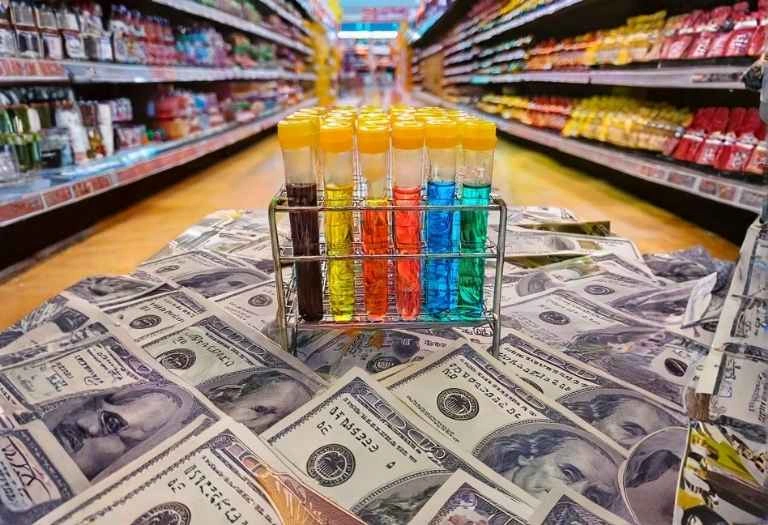
According to research published by the Center for Science in the Public Interest (CSPI), 43% of food and drinks marketed to children contain synthetic dyes. The breakdown is striking: 96% of candies, 95% of fruit-flavored drinks, 90% of drink mixes, and 86% of breakfast foods contain artificial colorants that provide no nutritional value whatsoever.
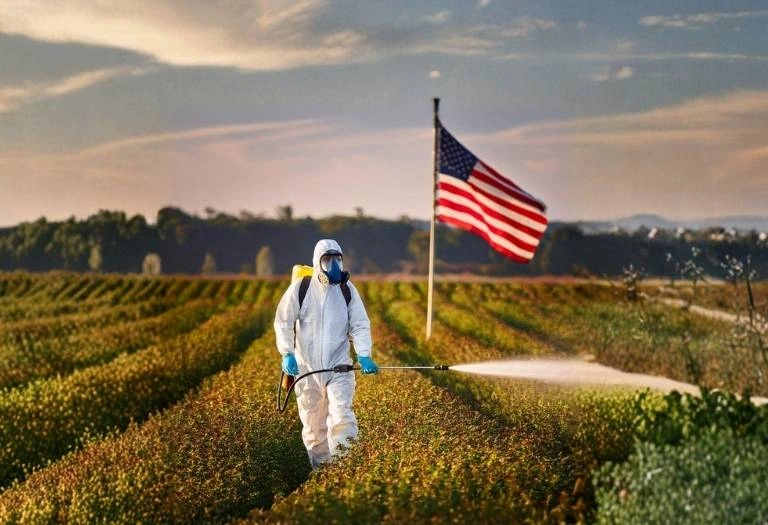
The FDA has approved nine synthetic food dyes, all derived from petroleum. More than 15 million pounds of these fossil fuel-based dyes are used annually across thousands of American food products, appearing in everything from cereal and candy to pizza dough, ketchup, ice cream, baked goods, capsules, and even household cleaning products.
Scientific research has associated synthetic food dyes with allergic reactions, asthma, hives, hypersensitivity, hyperactivity, attention disorders, irritability, sleep disruption, mitochondrial impairment, tumor growth, and cancer. These are not fringe findings. They have been published across peer-reviewed literature for decades.
The Four Dyes Doing the Most Damage
Red Dye 40, Red Dye 3, Yellow Dye 5, and Yellow Dye 6 together account for more than 90% of all synthetic food dye consumption in the United States. Each one warrants serious scrutiny.
Red Dye 40
Red Dye 40 is the most widely used synthetic dye in the American food supply. The USDA has identified it in more than 36,000 food products sold in the U.S. Research has linked it to DNA damage, inflammatory responses, allergic reactions, and hyperactivity in children.
Red Dye 3
Red Dye 3 is arguably the most troubling on this list. Research conducted as far back as the 1980s established that it causes cancer in animals and increases the risk of thyroid tumors in rats. It has been banned across Europe since 1994. In the United States, it is illegal to use in cosmetics like lipstick, yet it remains fully legal in food products consumed by children.
California passed legislation banning Red Dye 3 from food products, but that law does not take effect until 2027. Manufacturers of drugs and dietary supplements were granted an additional year beyond that.
General Mills, Kellogg’s, and Mars each made public commitments to remove artificial dyes, including Red Dye 3 from their products. Most have not followed through.
Yellow Dye 5 and Yellow Dye 6
Both dyes contain benzidine, a known human and animal carcinogen. The FDA permits these carcinogens at levels it considers presumptively safe. That standard assumes a child is not consuming multiple dye-containing products across a single day, which is rarely the case in real-world dietary patterns.
All four of these dyes contain benzidine or other recognized carcinogens, and all four remain in wide use in the United States.
The Regulatory Gap the FDA Has Not Closed
Food companies are not required to disclose how much synthetic dye is present in a product. That quantity is protected as a trade secret. The FDA has stated that food dyes are currently under review, and it is agency policy not to comment on matters under active review. That position has remained effectively unchanged for years.
The situation is further complicated by the GRAS process, which allows food manufacturers to self-certify the safety of over 1,000 chemical additives without independent FDA review. The agency may not even know what chemicals are present in a food product, let alone in what quantities or combinations.
Current toxicological studies typically test individual dyes in isolation. But real-world consumption involves multiple dyes alongside dozens of other chemical additives in the same product and across multiple products consumed daily. Those combinations create chemical interactions that isolated testing cannot predict or account for.
What Europe Already Fixed
The contrast with European regulatory standards is difficult to ignore.
Since 2010, the European Union has required warning labels on products containing certain synthetic dyes, including a statement that the product may have an adverse effect on children’s activity and attention. Many manufacturers reformulated their products for European markets rather than carry that label.
In 2011, following government guidance and sustained consumer pressure, companies including Walmart, Coca-Cola, and Mars removed artificial colors from their UK product lines entirely.
McDonald’s strawberry sundaes in the United Kingdom are colored exclusively with strawberries. In the United States, the same product contains Red Dye 40.
Americans are consuming the same brands, and in many cases, the same product names, but with meaningfully different formulations and no equivalent warnings.
What You Can Do
Regulatory change moves slowly, but consumer behavior does not have to wait.
At the grocery store:
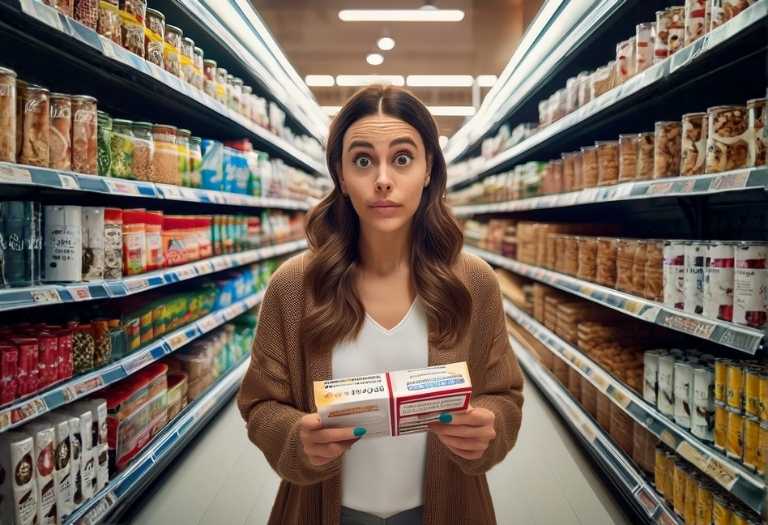
- Read ingredient labels carefully. Synthetic dyes appear by name, such as Red 40, Yellow 5, or Blue 1.
- Choose organic products where possible, as certified organic foods are prohibited from containing synthetic dyes under USDA organic standards.
- Replace artificially colored drinks with water, herbal teas, or products colored with natural ingredients.
As a consumer and citizen:
- Support and contact legislators advocating for dye bans and mandatory warning labels at the state and federal levels.
- Apply purchasing pressure to brands that have made but not fulfilled public commitments to remove synthetic dyes.
- Stay informed through organizations like the Environmental Working Group, which maintains updated databases of food additives and product formulations.
Restaurants present a greater challenge, as ingredient transparency is far more limited in foodservice settings. Asking questions and choosing simpler, less-processed menu items is the most practical approach available.
Frequently Asked Questions
Are synthetic food dyes actually dangerous, or is this overstated?
The concern is well-supported by peer-reviewed research. Multiple studies have linked specific dyes to hyperactivity, allergic reactions, and carcinogenic effects in animals. The ongoing debate concerns dose thresholds and regulatory responses, not whether risks exist.
Why does the FDA still allow dyes that are banned in Europe?
The FDA operates under a different regulatory framework that places more burden on proving harm than on precautionary restriction. Political and industry lobbying also play a documented role in the pace of regulatory action.
How do I know if a product contains synthetic dyes?
Check the ingredient label. In the U.S., approved synthetic dyes must be listed by name. Look for terms like Red 40, Red 3, Yellow 5, Yellow 6, Blue 1, and Blue 2.
Are natural food colorings safe alternatives?
Generally, yes. Natural dyes derived from sources like beets, turmeric, spirulina, and paprika are widely considered safer than petroleum-derived synthetic alternatives, though individual sensitivities can vary.
What is Red Dye 3, and why is it still in food?
Red Dye 3 is a synthetic dye linked to thyroid tumors in animal studies. It has been banned in European food products since 1994 and in U.S. cosmetics for decades, but remains legal in American food products. California has passed a ban set to take effect in 2027.
Conclusion
The food industry’s use of color is not inherently wrong. What is wrong is that synthetic dyes derived from petroleum, linked to cancer, behavioral disorders, and immune dysfunction, continue to be used at scale in products marketed directly to children, without adequate disclosure, without meaningful regulatory accountability, and without the warning labels that other developed nations have already made standard.
The science is not new. The inaction is a choice.
Reading labels, buying organic when feasible, and supporting legislative efforts to mandate transparency are practical steps every consumer can take today. The broader change will require sustained pressure on both industry and regulators, but it starts with knowing what is actually in the food.
For more on environmental health, toxic food ingredients, and holistic wellness, visit Marjan Books.