
Fasting is one of the oldest healing practices in human history, yet modern medicine is only now catching up to what traditional healers and researchers have understood for decades. Far from a trendy diet hack, therapeutic fasting has a century of clinical evidence behind it, and the results are more impressive than most people expect.
What the Science Actually Says About Fasting
The most credible body of research on therapeutic fasting comes from the Buchinger Wilhelmi Clinics in Germany, founded by Dr. Otto Buchinger in the early 20th century. Now in its fourth generation of family operation, the clinic has overseen more than 250,000 clinical fasts in collaboration with leading university research institutions.
With annual attendance exceeding 6,500 patients and a staff of up to 20 doctors, 60 nurses, and 300 support employees, the Buchinger Wilhelmi program is not a wellness retreat. It is one of the most rigorously documented therapeutic fasting institutions in the world.
The conditions addressed through their protocols include chronic fatigue, anxiety, chronic pain, metabolic disorders, obesity, and mental health challenges like depression. The outcomes have been consistently documented over more than a century of practice.
The Story Behind the Research: Dr. Otto Buchinger
Dr. Otto Buchinger’s personal experience is part of why his life’s work carries such weight. As a naval physician, he developed severe rheumatoid arthritis following blood poisoning. After conventional treatment failed to provide relief, he was referred to Dr. Riedlin in Freiburg, who prescribed a course of therapeutic fasting.
The results were definitive. The fast activated his body’s self-healing mechanisms and restored his health. Rather than moving on, Buchinger devoted the remainder of his career to studying, refining, and documenting fasting as a healing modality. The clinics he founded became the foundation for everything credible known about medically supervised fasting today.
How Fasting Helps the Body Detoxify
One of the core benefits of fasting is its effect on toxin elimination. The modern environment exposes the body to a wide range of harmful substances, including heavy metals such as mercury, lead, chromium, cadmium, and arsenic. These accumulate in fatty tissue and the lymphatic system over time, contributing to chronic inflammation, unexplained pain, and systemic illness.
Fasting accelerates the body’s natural detoxification process in a specific way. When caloric intake is suspended, the body begins breaking down stored fat. As fat cells are metabolized, toxins that were sequestered within them are released into the bloodstream for elimination through the liver, kidneys, and colon.
Think of it as wringing out a sponge. The fat tissue holds contaminated material; fasting applies the pressure that clears it out.
A clogged or dysfunctional colon is one example of how accumulated toxicity produces symptoms that are easily misattributed. Depression, for instance, has been linked to poor gut health. Patients who cycle through psychiatric consultations without resolution sometimes find that addressing colon health through dietary changes and fasting significantly improves their mood and mental clarity. This does not replace clinical care, but it points to how deeply digestive function affects systemic health.
Beyond Detox: What Fasting Does to the Body
Detoxification is only one dimension of what happens during a fast. The physiological changes are broader and more fundamental.
Cellular repair and cleanup
During fasting, the body enters a state of autophagy, a process in which cells break down and recycle damaged components. This is a form of internal maintenance that rarely happens at full efficiency when the digestive system is constantly active. Research into autophagy, which earned Yoshinori Ohsumi the Nobel Prize in Physiology or Medicine in 2016, has confirmed that fasting is one of the most effective ways to trigger this process.
Metabolic reset
Excess weight places systemic stress on the body. Joints bear more load, circulation is strained, and inflammation increases. Fasting supports weight reduction in a way that also rests the digestive system simultaneously, unlike caloric restriction alone, which keeps the gut active throughout.
Nervous system balance
Fasting has a documented calming effect on the nervous system. Many participants report sharper mental clarity, reduced anxiety, and more stable energy levels within the first few days of a medically supervised fast.
Organ rest and restoration
Every major organ benefits from periods of reduced workload. The liver, kidneys, gallbladder, and colon all process less during a fast, allowing repair mechanisms to operate more effectively. For organs that have been chronically overstimulated, this rest produces measurable functional improvements.
Respiratory and musculoskeletal benefits
Breathing typically becomes fuller and less restricted as inflammation decreases. Joint mobility often improves as well, particularly in individuals with inflammatory conditions.
What Fasting Can Break Down
Beyond detoxification and organ rest, fasting has been documented to assist in the breakdown of specific biological materials that accumulate over time.
Superfluous fat tissue is the most obvious. But the Buchinger research also points to the breakdown of abnormal cells, atheromatous plaque in arterial walls, and in some documented cases, certain types of benign growths. These findings do not position fasting as a cancer treatment, but they do indicate that the body’s housekeeping processes, when activated through fasting, are capable of addressing a broader range of accumulated matter than diet alone.
Mental Clarity and Emotional Health During a Fast
One of the outcomes most consistently reported by fasting participants is improved cognitive function. The mechanism is partly physiological: when digestive activity decreases, blood flow and energy that would otherwise be allocated to processing food are redirected to brain function and cellular repair.
There is also a psychological dimension. Many people experience a sense of emotional lightness and mental sharpness during extended fasts. Anxiety often decreases. Sleep quality tends to improve. The experience is not uniform, but it is common enough that the Buchinger Wilhelmi Clinic addresses mental health as a primary therapeutic target, not a secondary benefit.
Who Should Consider Therapeutic Fasting
Fasting is not universally appropriate, and this distinction matters. Extended therapeutic fasting should always be undertaken with medical supervision, particularly for individuals with existing health conditions, metabolic disorders, or who are on prescription medications.
That said, shorter fasting protocols, including intermittent fasting approaches supported by substantial peer-reviewed research, are accessible to a much broader population. The New England Journal of Medicine published a comprehensive review in 2019 documenting the metabolic and neurological benefits of intermittent fasting, confirming many of the mechanisms that Buchinger’s clinical work identified decades earlier.
Learning More: Fasting Firepower by Marjan
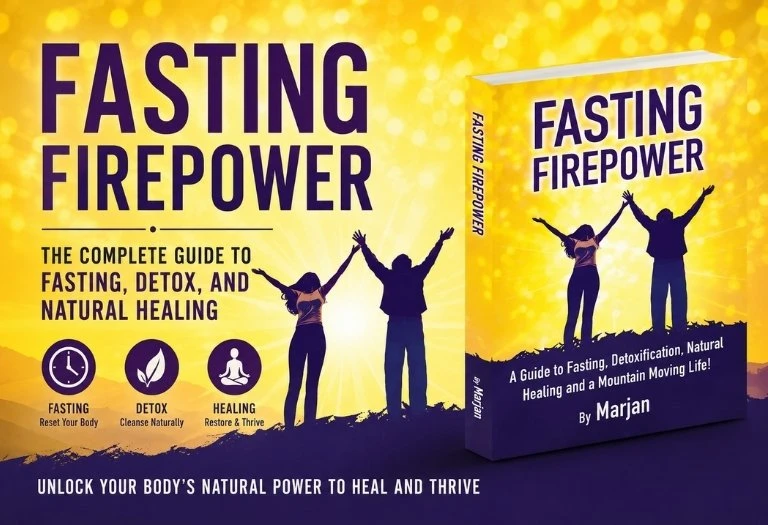
For those who want to go deeper into the science, history, and practical application of fasting, Fasting Firepower by Marjan offers one of the most comprehensive guides available. Drawing on over 50 years of study and personal practice, the book covers therapeutic fasting, detoxification protocols, and organ-specific approaches for the colon, kidneys, liver, and gallbladder. It integrates scientific research with historical context and practical guidance in a way that is accessible without being oversimplified.
Frequently Asked Questions About Fasting Benefits
How long does a therapeutic fast typically last?
Medically supervised therapeutic fasts at clinics like Buchinger Wilhelmi typically run between 5 and 21 days, depending on the individual’s health condition and goals. Shorter fasting protocols, such as 16:8 or 24-hour fasts, are practiced independently by many people.
Is fasting safe for everyone?
No. Fasting is not appropriate for pregnant women, individuals with certain eating disorder histories, those with specific metabolic conditions, or people on certain medications without medical guidance. A physician should always be consulted before undertaking extended fasting.
Does fasting cause muscle loss?
Short-term fasting, particularly when protein intake is adequate in the feeding windows, has not been shown to cause significant muscle loss. The body preferentially burns fat during fasting. Extended fasting without medical supervision carries greater risk of lean tissue loss.
Can fasting improve mental health?
Clinical observations at the Buchinger Wilhelmi Clinics report consistent improvements in mood, anxiety, and mental clarity during supervised fasting programs. The gut-brain connection is well-established in current research, and improving digestive health through fasting appears to have meaningful effects on emotional wellbeing.
What is autophagy and why does it matter during fasting?
Autophagy is the cellular process by which the body breaks down and recycles damaged cell components. Fasting is one of the most reliable triggers for this process. It plays a role in reducing the risk of neurodegenerative diseases, metabolic conditions, and cellular aging.
How is therapeutic fasting different from regular dieting?
Dieting reduces caloric intake while keeping the digestive system active. Therapeutic fasting suspends caloric intake sufficiently to allow the digestive system to rest, triggers autophagy, promotes detoxification from fatty tissues, and activates deeper systemic repair processes that dietary restriction alone does not reliably produce.
Conclusion
Fasting is not a shortcut or a wellness trend. It is a clinically documented, historically grounded practice with measurable effects on detoxification, cellular repair, organ function, metabolic health, and mental clarity. The century of research behind the Buchinger Wilhelmi Clinics provides the most comprehensive evidence base available for therapeutic fasting’s benefits.
For most people, the challenge is not access to information. It is making the time and the commitment to treat internal health with the same seriousness as any other form of self-care. If the research reviewed here is your starting point, that is already significant progress.