Are GMOs Safe? What the Science and Labels Are Not Telling You.
Every time you pick up a packaged food item at a supermarket, there is a reasonable chance you are eating something that has been genetically engineered. Genetically modified organisms, more commonly known as GMOs, have quietly become one of the most widespread and least understood changes to the global food supply in modern history.
Since their first commercial introduction in the early 1980s, GMOs have expanded from laboratory experiments into billions of plates worldwide. Yet the debate over their safety, transparency, and long-term consequences is far from settled. Regulatory bodies disagree. Scientists debate. Governments have taken opposing positions. And most consumers remain in the dark.
This article breaks down what GMOs actually are, what the current science says about their risks and benefits, why labeling remains deceptive, and what you can do to make more informed food choices.
What Are GMOs?
A genetically modified organism is any plant, animal, or microorganism whose genetic material has been artificially altered in a laboratory. This alteration may involve transferring genes between species that would never naturally interbreed, deleting genes entirely, or inserting synthetic sequences to produce a specific trait.
Common reasons crops are genetically modified include:
- Resistance to herbicides like glyphosate
- Tolerance to pests and disease
- Extended shelf life after harvesting
- Higher yields per acre
- Enhanced color or appearance
While traditional crop breeding has always involved selecting favorable traits, genetic engineering works at a fundamentally different level. It bypasses natural reproductive barriers and can introduce traits from bacteria, viruses, or animals into a food plant.
How Widespread Are GMOs in the Food Supply?
The scale is larger than most people realize.
According to the National Institutes of Health, nearly 300 million Americans consume GMO foods on a regular basis, directly or indirectly. That number reaches over 1.3 billion in China and hundreds of millions more across Brazil, India, and other major agricultural markets.
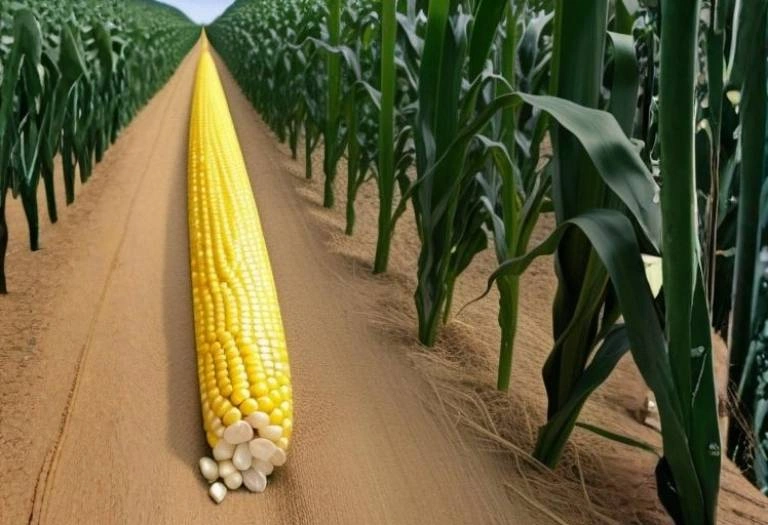
In the United States alone, approximately 93% of all corn grown is genetically modified. Soybeans, canola, sugar beets, and cotton follow closely behind. Since corn derivatives, particularly high-fructose corn syrup, appear in an enormous range of processed foods, avoiding GMO exposure without deliberate effort is nearly impossible for the average consumer.
Other commonly modified crops found in supermarkets include potatoes, eggplant, papaya, strawberries, tomatoes, lettuce, cantaloupe, carrots, zucchini, cottonseed, and soybean oils. GMO feed is also used for livestock, poultry, and farmed fish, meaning that non-plant-based food products may carry indirect exposure.
Where Are GMOs Banned or Restricted?
Not every country has accepted GMOs into its food systems without question.
As of 2023, GMOs are restricted in 60 countries and fully banned in 26 others. Nations that have placed outright prohibitions or significant restrictions on GMO cultivation include France, Germany, Italy, Russia, and 19 European Union member states. Mexico has also moved toward restricting imports of GMO corn. China approves GMO crops but imposes strict regulations on imports.
In contrast, the United States and Canada have no federal bans on GMO crops and relatively minimal mandatory labeling requirements. This regulatory divide reflects deeply different approaches to the precautionary principle: one framework demands proof of safety before approval, while the other permits commercialization unless harm is proven after the fact.
Potential Health Risks Associated with GMOs
The honest answer is that research is still ongoing and the full picture is not yet complete. But the available evidence raises questions that deserve serious attention rather than dismissal.
Disruption of Biochemical Pathways
Some researchers have raised concerns that GMOs may disrupt normal biochemical processes in the body. When the human digestive system encounters proteins or compounds it does not recognize as natural food components, it can respond with inflammatory or immune reactions. This may manifest as fatigue, headaches, digestive discomfort, and blood sugar irregularities, and over time, contribute to metabolic disorders.
Allergenic Potential
The World Health Organization acknowledges that inserting new genes into a food crop may introduce new allergens. If a gene from a known allergen source is transferred into another crop, consumers who previously did not react to that crop may now experience allergic reactions. Current labeling does not always account for this.
Herbicide Residue and Glyphosate Exposure
The majority of GMO crops grown globally are engineered to tolerate glyphosate, the active ingredient in Roundup. These crops are designed to survive direct application of the herbicide, meaning the chemical can be applied more liberally, and the herbicide residue remains at harvest.
The International Agency for Research on Cancer classified glyphosate as “probably carcinogenic to humans” in 2015. Research has linked chronic low-level glyphosate exposure to disruption of gut microbiome diversity, hormonal imbalances, and potential links to non-Hodgkin lymphoma. According to Reuters, pesticide use in the United States increased by over 404 million pounds following the widespread adoption of GMO crops.
Reduced Nutritional Value
Several independent studies have shown that some GMO varieties contain measurably lower levels of key micronutrients than their non-modified counterparts. When crops are bred primarily for yield, shelf life, and chemical resistance, nutritional density can be deprioritized in the engineering process.
Environmental Concerns
The risks of genetic modification extend well beyond human health.
Outcrossing and Genetic Contamination
One of the more persistent concerns in ecological science is outcrossing, which occurs when modified genes spread from GMO crops into wild plant populations or non-GMO farms through wind, insects, or water. Once modified genetic material enters a wild ecosystem, it cannot be recalled. This has implications for biodiversity, seed sovereignty, and the integrity of organic farming.
Superweeds and Superbugs
Prolonged exposure to herbicide-resistant crops has accelerated evolution of herbicide-resistant weeds, sometimes called superweeds. Similarly, pest populations continuously exposed to pest-resistant GMO crops have begun to develop resistance, creating superbugs that require increasingly stronger interventions. This arms race has consequences for both agricultural sustainability and broader ecological balance.
Impact on Soil Microbiomes
Healthy soil contains a complex ecosystem of bacteria, fungi, nematodes, and other organisms that support plant health and nutrient cycling. Research is ongoing to determine on whether herbicide and pesticide residues from GMO cultivation harm these organisms over time. The long-term implications for soil fertility and agricultural productivity remain an open and important question.
Decline in Bird and Insect Populations
Fields farmed with herbicide-tolerant GMO crops often show significant reductions in plant diversity, thereby reducing the habitat and food sources available to insects and birds. The widespread use of associated pesticides has been linked to documented declines in pollinator populations, a development with potentially serious consequences for global food systems beyond GMO crops themselves.
The Problem with GMO Labeling in the United States
One of the most significant consumer issues surrounding GMOs is not the science itself but the transparency, or lack of it.
The FDA does not require food manufacturers to label products as containing GMOs. Since 2022, a federal disclosure standard has required labeling for “bioengineered” foods, but implementation has been inconsistent, and the terminology is intentionally less alarming than the term most consumers would recognize.
What this means in practice:
- A product may say “bioengineered food” in small print instead of “GMO”.
- Some packages simply say “Scan here for more information,” directing consumers to a QR code.
- Products labeled “organic” may still contain some GMO ingredients.
- Only products labeled “100% organic” are held to a standard that prohibits GMO content.
According to Healthline, even products labelled organic can include minor amounts of GMO-derived ingredients unless they carry the 100% organic or Non-GMO Project Verified seal.
This is not accidental. Transparency in GMO labeling has been actively resisted by large agricultural and food processing companies for decades, citing consumer confusion or reduced sales as justification.
What Current Research Actually Says
The scientific community is not uniformly opposed to GMOs, and it would be inaccurate to suggest otherwise. Some GMO applications have delivered genuine benefits, including crops that resist devastating diseases, reduce the need for chemical inputs in specific contexts, and provide nutrition to food-insecure populations.
However, the claim that GMOs are categorically safe and comprehensively tested does not hold up to scrutiny. The majority of long-term safety studies have been funded by the same companies that profit from GMO approval. Independent research is growing but remains insufficient relative to the scale of global exposure.
The National Library of Medicine has published research identifying a range of potential risks, including toxicological concerns, the possibility of new viral formations arising from engineered viral resistance traits, and the inadequacy of current regulatory frameworks for assessing cumulative or transgenerational effects.
The comparison to tobacco is not frivolous. Corporate science has a well-documented history of manufacturing consensus for profitable products before harm becomes undeniable.
How to Reduce Your GMOs Exposure
For those who prefer to minimize exposure while the science continues to develop, practical steps are available.
Read labels carefully. Look for “100% organic,” “Non-GMO Project Verified,” or “USDA Certified Organic” seals. Be skeptical of vague language like “natural” or QR-code-only disclosures.
Prioritize certain categories. Corn, soy, canola, cottonseed oil, sugar from sugar beets, and papaya from Hawaii or China are most likely to contain GMOs. Swapping these out covers a significant portion of exposure for most consumers.
Support local and organic farmers. Farmers’ markets and community-supported agriculture programs often offer genuinely non-GMO produce with far greater transparency about growing practices.
Focus on whole foods. The less processed a food item is, the easier it is to assess its origin. Processed foods have the highest concentration of GMO-derived ingredients such as corn syrup, soy lecithin, and canola oil.
Stay informed. The regulatory and scientific landscape around GMOs continues to evolve. Organizations like the Non-GMO Project provide updated guidance and verified product databases.
Frequently Asked Questions About GMOs
Are GMOs approved by the FDA?
The FDA does not conduct independent pre-market safety testing for GMO foods. Instead, it relies on safety assessments submitted by the companies developing the products. This is a consultation process, not a mandatory approval system.
Are GMOs banned in Europe?
The European Union applies a precautionary approach. Most GMO crops are not approved for cultivation within the EU, though some GMO imports are permitted. Individual member states, including France, Germany, and Italy, have additional restrictions.
Is organic food always GMO-free?
Products labeled “100% organic” are not permitted to contain GMO ingredients. Products labeled simply “organic” must contain at least 95% organic ingredients but may include minor GMO-derived additives. Products labeled “made with organic ingredients” have even fewer restrictions.
What does “bioengineered” mean on a food label?
Under the 2022 National Bioengineered Food Disclosure Standard, the term “bioengineered” is the government-mandated term for what is more commonly known as GMO. Not all GMO-derived ingredients require this label, particularly if the modified genetic material is not detectable in the final product.
Can GMOs affect gut health?
Emerging research suggests that herbicide-tolerant GMO crops and the glyphosate residues they carry may negatively affect the diversity and balance of gut microbiome bacteria. The gut microbiome plays a role in immune function, mood regulation, and metabolic health, making this an area worth watching closely as research continues.
Are GMOs causing the decline of bees and pollinators?
The relationship is indirect but supported by evidence. GMO herbicide-tolerant crops encourage broader and more frequent herbicide application, which reduces plant diversity in and around agricultural fields. This reduction in flowering plants directly affects pollinator populations that depend on those food sources.
Conclusion
GMOs are not a simple story of innovation versus paranoia. They represent a genuine and complex intersection of science, corporate interest, regulatory philosophy, public health, and environmental stewardship.
The evidence does not support the claim that GMOs are universally dangerous. Nor does it support the claim that they are comprehensively safe. What it does support is the need for genuinely independent long-term research, honest and clear labeling, and the right of consumers to make informed choices.
Until that transparency exists, the most practical approach is to read labels carefully, choose certified organic and Non-GMO verified products where possible, and stay engaged with credible independent research.